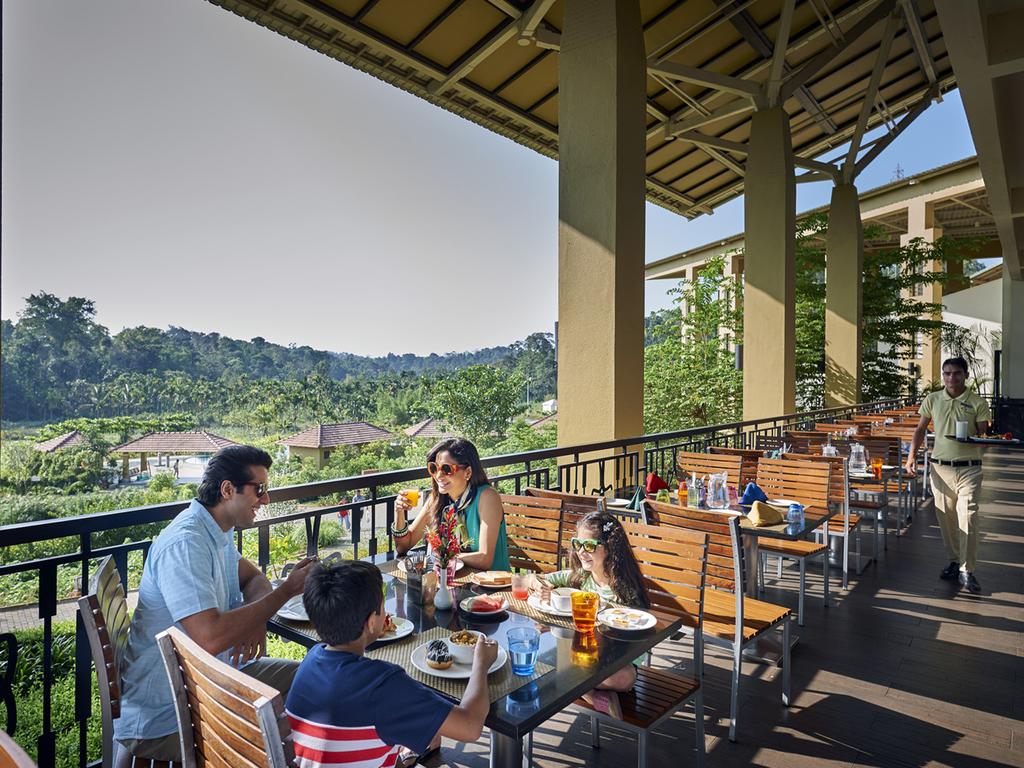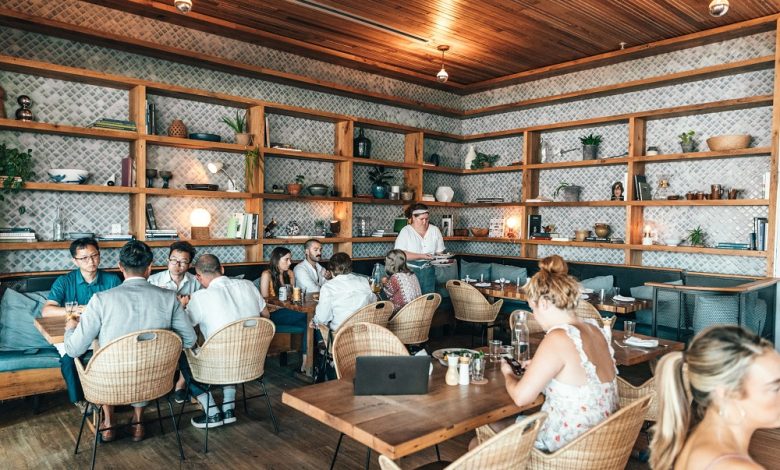
A restaurant’s interior design does more than create visual appeal. It shapes customer expectations, influences comfort levels, strengthens brand identity, and directly impacts how long guests stay and how often they return. A thoughtfully designed space can transform a casual visitor into a loyal customer within minutes of walking through the door.
This article explores practical restaurant interior design ideas that help attract customers quickly while improving their overall dining experience.
Create a Strong First Impression at the Entrance
The entrance sets expectations before customers even see the menu. A visually appealing entryway encourages walk-ins and builds curiosity.
Key strategies include:
- Use warm lighting near the entrance to create a welcoming atmosphere
- Add greenery such as potted plants or vertical garden panels
- Display a clear and attractive restaurant name signage
- Keep the entry clutter-free and visually organized
- Provide a glimpse of the interior ambience through glass panels
A strong entrance communicates professionalism and comfort instantly.
Choose a Theme That Reflects Your Brand Identity
Customers are naturally drawn toward spaces that tell a story. A consistent design theme helps your restaurant stand out in a competitive market.
Popular restaurant themes include:
- Rustic farmhouse style with wooden textures
- Industrial design with exposed brick and metal finishes
- Minimalist modern interiors with neutral tones
- Cultural or regional theme-based decor
- Luxury fine-dining aesthetics with elegant materials
Consistency between furniture, lighting, wall decor, and table setup strengthens brand recognition.
Optimize Lighting to Shape the Dining Experience
Lighting directly influences mood and comfort. Proper lighting can make food look more appealing and spaces feel inviting.
Use layered lighting such as:
- Ambient lighting for overall brightness
- Accent lighting to highlight artwork or feature walls
- Task lighting for tables
- Decorative pendant lighting to enhance character
Warm lighting works best for casual and fine dining environments, while brighter lighting suits quick-service restaurants.
Select Comfortable and Stylish Seating Layouts
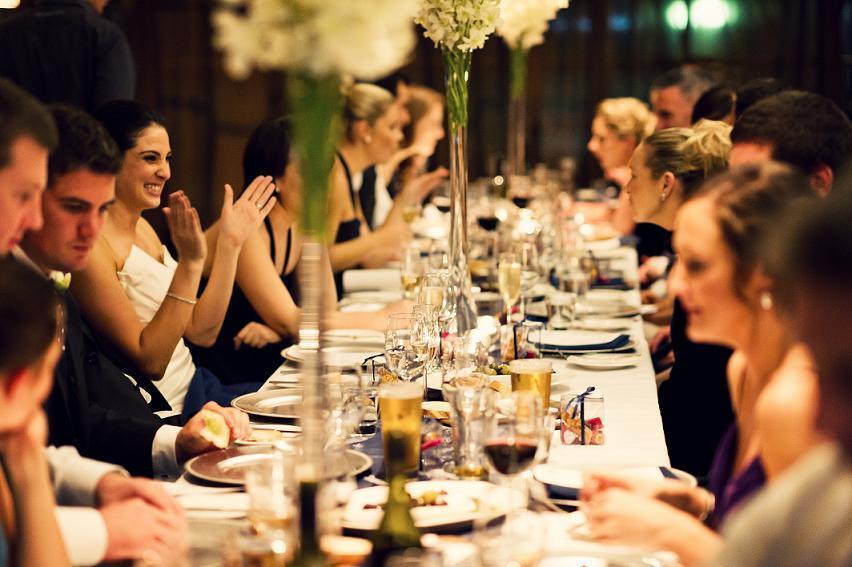
Seating determines how long customers stay and whether they return. Comfort encourages repeat visits.
Effective seating ideas include:
- Booth seating for privacy
- Flexible table arrangements for group dining
- Ergonomic chairs with proper back support
- Space-efficient layouts without overcrowding
Maintain balanced spacing between tables to ensure privacy without reducing capacity.
Use Color Psychology to Influence Customer Behavior
Colors influence appetite, mood, and decision-making speed.
Examples of effective color usage:
- Red stimulates appetite and energy
- Yellow creates a cheerful environment
- Earth tones produce a relaxing dining atmosphere
- Neutral shades convey sophistication and cleanliness
Combining primary tones with subtle accent colors keeps interiors visually engaging.
Highlight Walls with Artistic Elements
Walls provide powerful opportunities to express brand personality.
Consider adding:
- Statement murals
- Typography-based decor
- Local cultural artwork
- Textured panels
- Framed food photography
Feature walls often become social media photo spots, increasing organic promotion.
Incorporate Natural Elements for a Fresh Atmosphere
Natural design elements improve comfort and enhance perceived cleanliness.
Popular options include:
- Indoor plants near windows and corners
- Wooden furniture textures
- Stone accent walls
- Natural daylight integration
Biophilic interiors create a calm environment that encourages longer stays.
Design Instagram-Worthy Corners for Free Marketing
Modern diners often choose restaurants based on visual appeal shared online. Creating photo-friendly areas helps attract attention quickly.
Ideas include:
- Neon signage walls
- Artistic backgrounds
- Decorative lighting installations
- Branded photo corners
- Unique furniture pieces
When customers share their experiences online, your restaurant gains visibility without additional marketing costs.
Maintain Functional Layout Flow for Staff Efficiency
Interior beauty must support operational efficiency.
Plan layout carefully to ensure:
- Smooth movement between kitchen and dining areas
- Clear service pathways
- Easy accessibility for customers
- Efficient waiting areas
- Proper ventilation zones
A functional layout improves service speed and customer satisfaction simultaneously.
Use Signature Decorative Elements That Customers Remember
Memorable details help customers associate your restaurant with a specific experience.
Examples include:
- Custom light fixtures
- Artistic ceiling designs
- Unique tableware presentation
- Branded wall installations
- Themed partition screens
Signature elements strengthen brand recall and encourage repeat visits.
Frequently Asked Questions
What interior design style attracts customers the fastest to a restaurant
Warm lighting, comfortable seating, and a visually consistent theme such as modern rustic or contemporary minimalist styles attract customers quickly because they create immediate comfort and visual clarity.
How important is lighting in restaurant interior design
Lighting influences mood, food presentation, and customer stay duration. Proper layered lighting improves ambience and enhances the overall dining experience.
Which colors increase appetite in restaurant interiors
Red, yellow, and warm orange tones are known to stimulate appetite and create energetic dining environments.
Should restaurants include photo-friendly design areas
Yes. Social media friendly corners encourage customers to share their experience online, which increases brand exposure organically.
How can small restaurants make interiors look spacious
Using mirrors, lighter color palettes, compact furniture, and smart lighting placement helps create a spacious visual effect even in limited areas.
Are indoor plants suitable for restaurant interiors
Indoor plants improve air quality perception, enhance comfort, and create a refreshing atmosphere that encourages longer customer visits.
What is the ideal seating layout for maximizing customer comfort
A balanced mix of booth seating, flexible table arrangements, and ergonomic chairs ensures comfort while maintaining efficient space utilization.