Portion control plays a vital role in maintaining balanced nutrition, preventing overeating, and improving consistency in home cooking. While many people associate recipes only with flavor and technique, they also serve as powerful tools for managing how much food is prepared and consumed. A well-structured recipe naturally guides serving size, ingredient quantity, and meal balance.
Understanding how recipes support portion control helps home cooks make healthier decisions without needing complex calculations or restrictive diets.
Why Portion Control Matters in Everyday Cooking
Portion control is not about eating less food. It is about eating the right amount of food for your body’s needs. Recipes create a structured approach that prevents guesswork and promotes consistency.
Benefits of portion control include:
- Supporting healthy weight management
- Reducing unnecessary calorie intake
- Preventing food waste
- Improving digestion and energy levels
- Encouraging balanced meal composition
Recipes act as built-in guides that simplify all of these outcomes.
How Recipes Define Serving Sizes Clearly
One of the strongest advantages of recipes is their ability to specify serving yields. Instead of estimating how much to cook, a recipe tells you exactly how many portions a dish provides.
For example:
- A soup recipe may serve four people
- A casserole may provide six portions
- A smoothie recipe may yield two servings
This structure allows cooks to match meal preparation with actual household needs. It reduces the risk of cooking excessive amounts that often lead to overeating.
Ingredient Measurements Promote Balanced Portions
Recipes rely on precise ingredient quantities. These measurements help control both calorie intake and nutritional balance.
Common measurement tools used in recipes include:
- Measuring cups
- Kitchen scales
- Measuring spoons
- Portion-marked containers
Using measured ingredients prevents accidental overuse of oils, sugars, starches, and high-calorie additions. Over time, this builds better visual awareness of appropriate serving sizes even without tools.
Recipes Encourage Balanced Meal Composition
Many recipes are designed with a combination of macronutrients. When followed correctly, they naturally support healthier portions across food groups.
Balanced recipes typically include:
- Protein sources such as lentils, beans, eggs, or poultry
- Vegetables for fiber and micronutrients
- Whole grains or carbohydrates for energy
- Healthy fats in controlled amounts
Instead of filling a plate with only one component, recipes guide cooks toward structured meals that feel satisfying and nutritionally complete.
Recipes Reduce Mindless Eating Habits
Cooking without a recipe often leads to adding extra ingredients unintentionally. Extra oil, additional salt, or oversized portions of starch can easily accumulate without awareness.
Recipes prevent this by:
- Setting ingredient limits
- Defining cooking steps clearly
- Establishing portion expectations before serving
This structure encourages mindful cooking and intentional eating patterns.
Batch Cooking Recipes Help Control Weekly Portions
Many modern recipes are designed for meal preparation across several days. Batch cooking makes it easier to divide meals into equal servings that can be stored and reused later.
Advantages of batch-based recipes include:
- Consistent portion sizes throughout the week
- Reduced reliance on processed convenience foods
- Better tracking of calorie intake
- Time-saving meal organization
Using containers labeled by serving size strengthens portion awareness even further.
Recipes Support Smart Plate Distribution
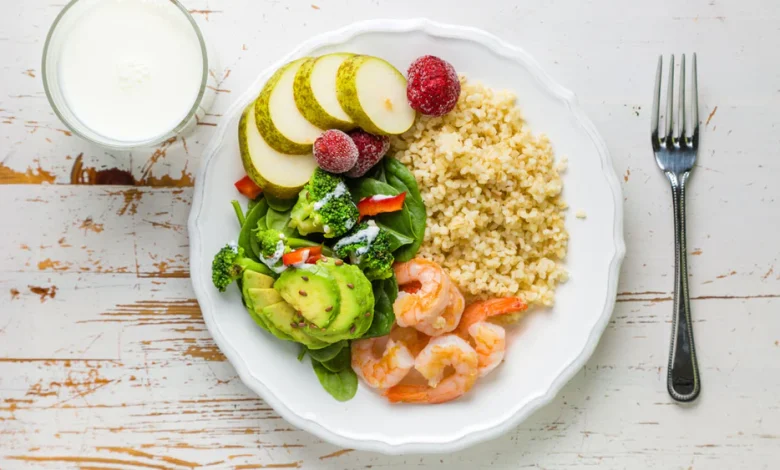
A well-written recipe often reflects the natural structure of a balanced plate. Instead of focusing on a single dominant ingredient, it distributes components appropriately.
For example:
- Half the plate vegetables
- One quarter protein
- One quarter grains or starch
This method supports long-term healthy eating habits without requiring strict dietary rules.
Recipes Improve Portion Awareness Over Time
Following recipes regularly trains the eye to recognize reasonable serving sizes. Eventually, cooks begin estimating accurate portions even when preparing meals without written instructions.
With practice, recipes help build:
- Visual measurement skills
- Ingredient familiarity
- Cooking confidence
- Nutritional awareness
This gradual learning process supports independence in healthy cooking decisions.
Recipes Help Prevent Food Waste Through Controlled Quantities
Preparing too much food often leads to leftovers that are discarded. Recipes reduce this problem by guiding ingredient quantities carefully.
Benefits include:
- Efficient grocery planning
- Reduced kitchen waste
- Lower food costs
- Better meal planning accuracy
Portion-aware cooking benefits both health and sustainability.
Recipes Encourage Intentional Serving Habits
Serving food directly from large cooking pots often results in oversized portions. Recipes encourage dividing meals properly before serving.
Helpful habits supported by recipes include:
- Plating individual servings
- Storing extra portions immediately
- Using serving-size containers
- Avoiding second servings without awareness
These practices create structure around eating behavior without making meals restrictive.
Frequently Asked Questions
How do recipes help beginners manage portion sizes better
Recipes provide exact ingredient quantities and serving yields. This removes uncertainty and helps beginners avoid cooking too much food at once.
Can recipes help reduce overeating at home
Yes. Recipes define serving expectations before meals begin, which reduces the likelihood of unplanned second servings.
Are digital recipe apps useful for portion control
Many recipe apps allow users to adjust serving sizes automatically. This feature helps match ingredient quantities with household needs.
Do recipes support portion control for families
Family-sized recipes make it easier to divide meals evenly among members. They also simplify weekly meal planning.
How can recipes help with calorie awareness
Measured ingredients make it easier to estimate calorie intake accurately compared to unstructured cooking.
Is meal prep more effective when following recipes
Yes. Meal prep recipes are specifically designed to produce equal portions that can be stored and eaten across multiple days.
Can recipes help children learn portion awareness
Yes. Cooking with recipes teaches children how ingredients translate into servings and encourages balanced eating habits from an early age.