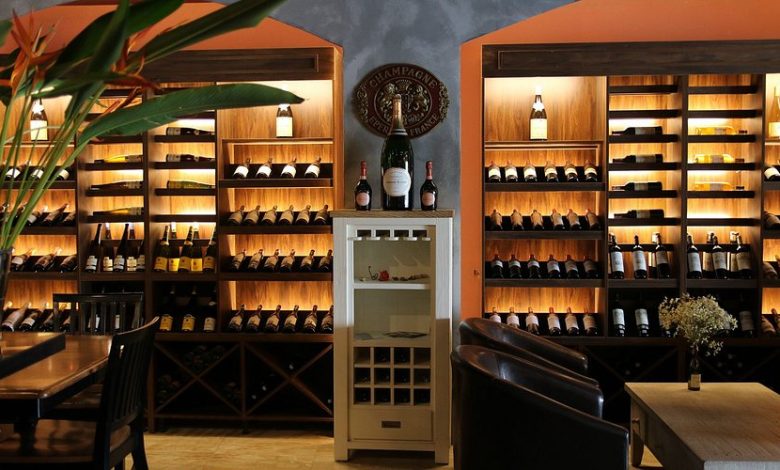
Atmosphere plays a defining role in shaping how guests perceive and enjoy a wine bar. While wine quality remains central, the surrounding environment influences comfort, conversation, tasting behavior, and overall satisfaction. From lighting and music to layout and service style, every detail contributes to how memorable the visit becomes.
A thoughtfully designed wine bar does more than serve beverages. It creates an immersive sensory setting where guests connect with flavors, people, and surroundings in a balanced and engaging way.
Why Atmosphere Matters in a Wine Bar
Wine appreciation is closely tied to mood and environment. A welcoming setting encourages guests to slow down, explore different selections, and enjoy the tasting process more deeply.
Atmosphere influences:
- Guest relaxation levels
- Perception of wine quality
- Duration of stay
- Social interaction comfort
- Likeliness of return visits
When ambiance supports the experience, wine becomes more than a drink. It becomes part of a shared cultural moment.
Lighting Sets the Emotional Tone
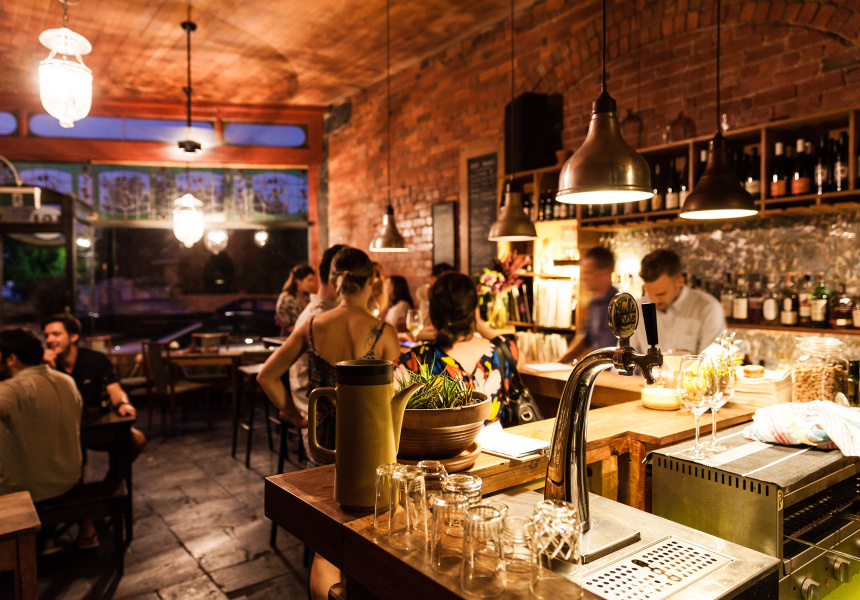
Lighting shapes how guests visually interpret the space and emotionally respond to it. Wine bars typically avoid harsh brightness and instead rely on warm and layered illumination.
Common lighting strategies include:
- Soft pendant lights above tables
- Accent lighting highlighting wine shelves
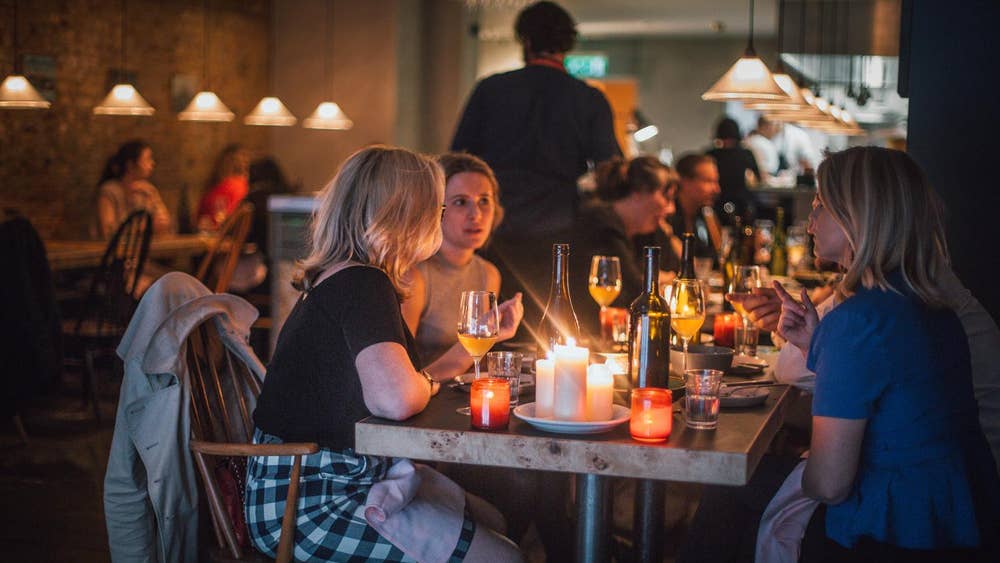
- Candle-style table illumination
- Indirect wall lighting for depth and warmth
These choices create intimacy and reduce visual distractions, allowing guests to focus on conversation and tasting.
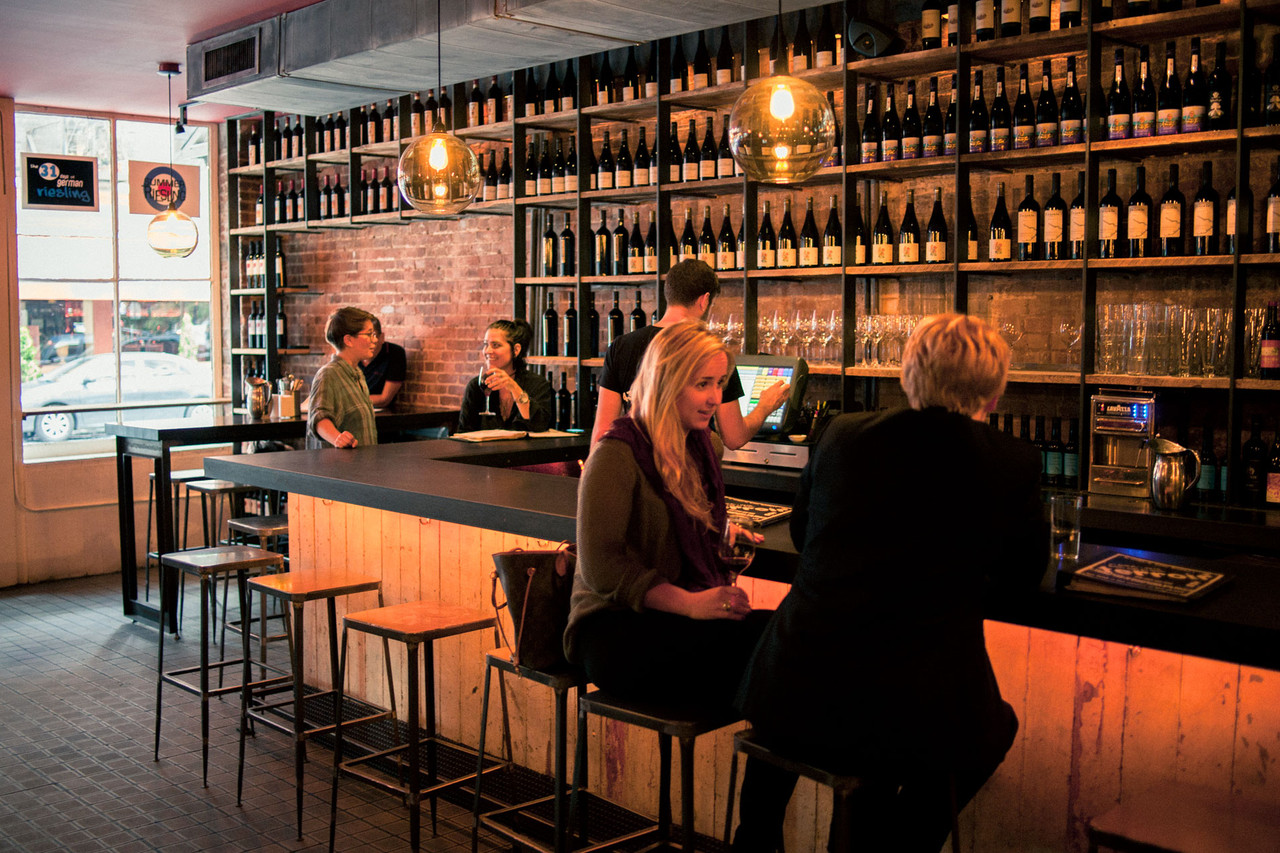
Interior Design Influences Comfort and Identity
Interior styling communicates the personality of a wine bar before the first glass is served. Whether modern, rustic, or minimalist, the design establishes expectations.
Key design elements that shape atmosphere include:
Material selection
Natural wood, stone textures, and matte finishes often create a refined yet relaxed environment.
Furniture layout
Comfortable seating encourages longer visits and deeper engagement with the wine menu.
Bottle displays
Visible wine collections reinforce authenticity and inspire curiosity.
Color palette
Warm tones promote calmness, while darker shades add sophistication and focus.
Together, these details signal whether a wine bar emphasizes casual discovery or premium tasting experiences.
Music Enhances the Sensory Experience
Background music subtly influences how guests interpret taste and mood. Slow tempo tracks encourage relaxed sipping, while louder or faster music may create a more energetic social setting.
Wine bars commonly choose:
- Soft jazz
- Acoustic instrumentals
- Light classical arrangements
- Ambient lounge playlists
Balanced volume levels ensure conversation remains comfortable while maintaining a refined atmosphere.
Seating Layout Encourages Social Interaction
Seating arrangement affects how guests interact with both companions and staff. Strategic layout planning supports different visitor preferences.
Typical seating zones include:
- Bar counters for guided recommendations
- Small tables for couples
- Communal tables for group tastings
- Lounge seating for extended stays
This variety allows wine bars to serve diverse audiences without compromising comfort.
Aroma and Air Quality Influence Wine Perception
Environmental scents can strongly affect wine tasting accuracy. Strong kitchen odors or artificial fragrances may interfere with aroma recognition.
Professional wine bars maintain neutral air conditions by:
- Controlling ventilation carefully
- Limiting competing food smells
- Avoiding heavy scented candles
- Using subtle natural freshness where appropriate
A clean aromatic environment allows guests to appreciate wine character more clearly.
Staff Interaction Shapes Emotional Connection
Atmosphere is not defined only by physical space. Staff behavior significantly contributes to how guests interpret the environment.
Well-trained wine bar teams typically:
- Offer approachable guidance
- Suggest pairings confidently
- Respect guest preferences
- Maintain attentive but unobtrusive service
Friendly expertise builds trust and encourages exploration of unfamiliar wines.
Menu Presentation Reinforces Experience Quality
The way wines are described and organized affects how comfortable guests feel while ordering.
Effective wine menus often include:
- Region-based organization
- Flavor profile descriptions
- Food pairing suggestions
- Glass and bottle options clearly separated
Clear presentation reduces hesitation and enhances confidence, especially for beginners.
Temperature Control Supports Comfort and Flavor
Comfortable room temperature improves both physical experience and wine quality perception. Excess heat or cold distracts guests and may influence tasting sensitivity.
Wine bars maintain balance by:
- Stabilizing indoor climate conditions
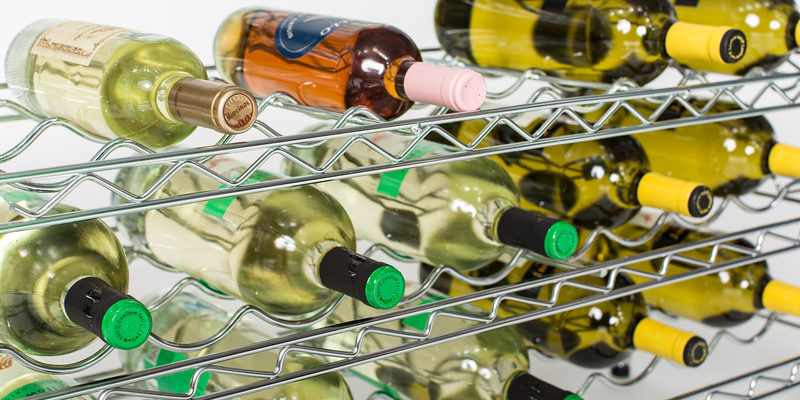
- Storing wines at appropriate serving temperatures
- Preventing direct sunlight exposure on bottles
These measures help preserve wine integrity while ensuring guest comfort.
Acoustic Design Improves Conversation Quality
Sound management plays a critical role in wine bar enjoyment. Guests visit primarily to talk, taste, and relax rather than compete with noise.
Acoustic improvements often include:
- Upholstered seating materials
- Sound-absorbing wall panels
- Strategic ceiling treatments
- Balanced speaker placement
Comfortable sound levels support longer visits and meaningful interactions.
Seasonal Decor Keeps the Experience Fresh
Subtle seasonal updates maintain visual interest without overwhelming the identity of the space.
Examples include:
- Autumn-toned table accents
- Winter candle arrangements
- Spring floral displays
- Summer natural light enhancements
These changes create variety while preserving brand consistency.
How Atmosphere Encourages Wine Exploration
A carefully curated environment reduces hesitation and encourages experimentation with new styles and regions.
Guests feel more confident trying unfamiliar wines when:
- Staff guidance feels welcoming
- Menu descriptions are clear
- Lighting supports label visibility
- Seating allows relaxed discussion
Atmosphere becomes a silent guide that supports discovery.
Conclusion
Atmosphere transforms a wine bar from a simple beverage venue into a destination for connection, discovery, and enjoyment. Lighting, music, design, service quality, and layout all contribute to shaping how guests perceive both the wine and the overall experience. When these elements work together harmoniously, they elevate tasting into something memorable and meaningful.
Frequently Asked Questions
What makes a wine bar atmosphere different from regular bars
Wine bars usually focus on calm lighting, comfortable seating, and quieter music to support conversation and tasting rather than fast-paced entertainment.
Does lighting affect how wine tastes
Lighting does not change the chemical taste of wine, but it strongly influences mood and perception, which can shape how flavors are experienced.
Why are wine bars usually quieter than other bars
Wine tasting requires attention to aroma and conversation, so quieter environments help guests focus on the experience.
How does seating arrangement influence wine enjoyment
Comfortable seating encourages guests to relax, stay longer, and explore more wine selections without feeling rushed.
Do interior materials impact wine bar atmosphere
Yes, materials like wood, stone, and soft textiles create warmth and reduce noise, improving comfort and ambiance.
Why do wine bars display bottles openly
Visible bottle displays build trust, highlight variety, and encourage guests to explore different regions and styles.
Can music change the perception of wine quality
Background music can influence mood and pacing, which may subtly affect how guests interpret the tasting experience.