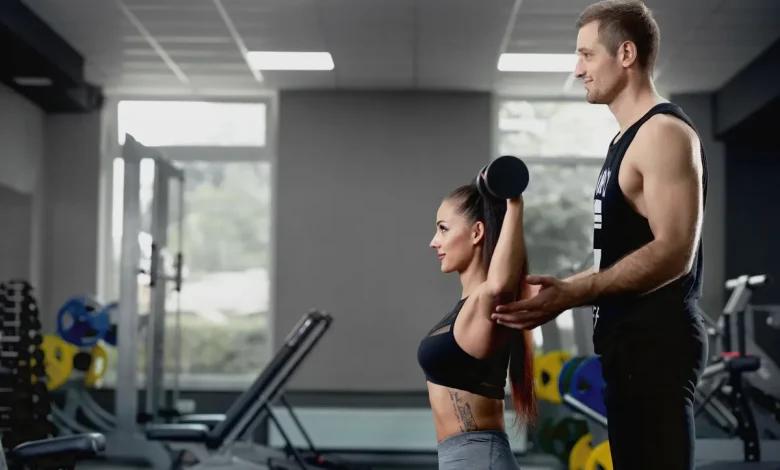
The integration of nutrition knowledge into personal training is no longer a differentiating extra in Singapore’s competitive fitness market. It is increasingly a baseline expectation among the members who seek out the best personal trainers and the facilities that employ them. Singapore’s most sought-after personal trainer Singapore professionals have recognised this shift and invested in formal nutrition coaching qualifications that allow them to deliver a genuinely comprehensive service.
The evolution reflects a simple reality: a training programme that is not supported by appropriate nutrition will consistently underperform its potential, and members who experience this underperformance do not always recognise that their diet is the missing variable. A PT who can identify and address this gap delivers better outcomes, builds stronger client relationships, and differentiates themselves significantly in an increasingly crowded market.
Why Dual Qualification Is Becoming the Standard
The most direct reason Singapore’s top PTs are pursuing nutrition qualifications is outcome quality. A PT who can assess a member’s diet and identify that they are consuming insufficient protein to support the muscle protein synthesis their training programme requires is in a position to fix the most common reason training results stall. A PT without this knowledge must guess, generalise, or refer, all of which introduce delays and uncertainty into the member’s progress.
The second reason is client retention. Members who work with a PT who provides genuinely integrated training and nutrition coaching report significantly higher satisfaction and adherence rates than those who receive training advice alone. The comprehensive service model creates a stickier client relationship because the member’s entire performance and body composition system is being managed rather than just the hour they spend on the gym floor.
The third reason is professional differentiation in a competitive market. As PT qualifications have become more standardised and accessible, the baseline of technical competence has risen. To command premium rates and attract the highest-quality clients, top Singapore trainers need to offer capabilities that generalists cannot match. Certified nutrition coaching is one of the most practically impactful extensions of the PT skill set.
The Most Relevant Nutrition Certifications for PTs
Not all nutrition certifications are equal in rigor, practical relevance, or recognition within the professional fitness community. The qualifications that Singapore’s top PTs are pursuing include:
Precision Nutrition Level 1 and Level 2: Widely considered the most practically oriented and evidence-based nutrition coaching certifications available to fitness professionals. Level 1 provides comprehensive foundational knowledge in nutrition science, behaviour change coaching, and practical dietary application. Level 2 involves a year-long mentorship programme that develops advanced case management and coaching skills.
NASM Certified Nutrition Coach: Aligns nutrition coaching within NASM’s broader performance framework, making it particularly well-integrated with NASM’s PT programming approach. Strong on behaviour change and lifestyle coaching dimensions.
Institute for Integrative Nutrition: Broader in scope than performance-focused certifications, covering 100 dietary theories and a holistic health coaching approach. Less strength-performance specific but valuable for PTs whose client base includes broader wellness goals.
Sports nutrition certifications from ISSN or CISSN: Targeted at performance nutrition for athletes and serious fitness members. Covers macronutrient periodisation, supplementation science, and competition-phase nutrition with a rigorous evidence base.
What Integrated Nutrition Coaching Looks Like in Practice
A personal trainer with genuine nutrition certification integrates dietary support into the client relationship through several practical mechanisms.
Initial nutrition assessment alongside the fitness assessment establishes dietary baseline. Current macronutrient intake, meal timing patterns, food preferences and restrictions, and existing nutritional knowledge are all assessed before any dietary recommendations are made.
Programme-aligned nutrition guidance adjusts dietary recommendations to reflect the training programme’s specific phase. A hypertrophy block requires different nutritional support from a fat loss phase, and these adjustments are made explicitly and explained to the client in a way that builds their understanding of the relationship between training and nutrition.
Practical Singapore-specific advice that navigates the hawker centre, food court, and social eating realities of life in Singapore. Generic nutrition advice that ignores the local food environment produces guidance that is technically correct but practically unimplementable.
Ongoing dietary check-ins that maintain nutritional accountability between PT sessions. Brief messaging check-ins, meal photo reviews, or short dietary discussion at the start of each session keep nutrition visible and supported without creating a burden that overwhelms the coaching relationship.
Scope of Practice and Appropriate Boundaries
Dual-qualified PT and nutrition coaches in Singapore operate within a defined scope of practice. They provide performance and body composition nutrition coaching for healthy adults. They do not diagnose or treat nutritional disease states, manage eating disorders, or provide medical dietary therapy for clinical conditions.
When a client’s nutritional history or current presentation suggests a clinical condition, appropriate referral to a registered dietitian or medical practitioner is the professional and legal response. Top Singapore PTs who hold nutrition qualifications understand this boundary clearly and maintain referral relationships with clinical nutrition professionals for situations that exceed their scope.
FAQ
Is a nutrition-qualified PT the same as a registered dietitian?
No. Registered dietitians in Singapore complete a university degree in dietetics and are qualified to manage clinical nutrition conditions. PT-level nutrition coaches provide performance and body composition dietary guidance for healthy individuals. The scopes are complementary and non-overlapping at their boundaries.
How do I know if my PT’s nutrition advice is based on genuine qualification?
Ask for the specific certification name and issuing organisation. Recognised certifications from Precision Nutrition, NASM, ISSN, and similar bodies can be verified through the issuing organisation’s public register. Trainers who offer nutrition advice without a named certification are working outside a formal framework.
Should I pay more for a PT who is also a certified nutrition coach?
The integrated service justifies a higher rate because the scope of what is being managed is genuinely broader and the outcome improvement is significant. Members whose training and nutrition are managed coherently by the same professional consistently achieve better results than those managing the two dimensions independently. The additional cost typically delivers better ROI than a cheaper training-only PT.
Can a nutrition-qualified PT help me if I have specific dietary requirements such as vegetarianism or religious dietary restrictions?
Yes. Qualified nutrition coaches are trained to work within dietary restrictions and preferences. In Singapore’s multicultural context, practitioners who are familiar with halal dietary requirements, vegetarian protein sources within South Indian food traditions, and other culturally specific nutritional frameworks provide more relevant practical guidance than those applying generic Western dietary models.
TFX Singapore supports the professional development of its training staff including nutrition qualification, ensuring that members benefit from an integrated coaching approach that addresses both training and dietary variables within a single professional relationship.