Where America’s Hardest Water Flows The geology behind mineral-rich tap water and what it costs

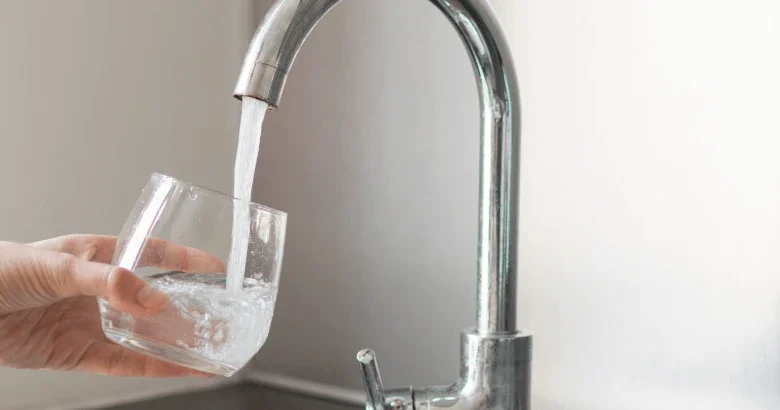
Hard water is the most widespread water quality issue in the United States. It affects 85% of American homes. For most people, hard water is an inconvenience. Soap doesn’t lather. Dishes spot. Showerheads clog with mineral deposits. But for bars, restaurants, coffee shops, and industrial operations, hard water becomes a cost problem that compounds every single day.
The hardest water in America doesn’t spread evenly across the country. Instead, it concentrates in geographic belts determined by geology. The Southwest holds the absolute hardest water. The Midwest follows. Texas ranks somewhere in between. Understanding which cities sit in these hard-water zones matters because the severity determines how fast scale accumulates in equipment and what solutions actually work.
The Southwest’s Water Hardness Crisis
Carlsbad, New Mexico tops the national list at 580 parts per million of dissolved minerals. That’s 33.9 grains per gallon, a measurement that makes mineral-level technicians wince. Roswell, New Mexico sits at 520 ppm. Dodge City, Kansas hits 480 ppm. These aren’t anomalies. They’re the extreme end of a pattern that defines the entire Southwest.
The reason traces to geology and climate working together. The Colorado River and its tributaries flow through desert basins and limestone formations. As water sits in this landscape, it dissolves calcium carbonate. Meanwhile, the arid climate means water evaporates from surface reservoirs, concentrating the minerals further. Groundwater wells in the desert tap into aquifers that have been in contact with limestone and mineral-rich rock for thousands of years. Every drop comes up laden with calcium and magnesium.
Las Vegas sits on this hard-water spectrum at around 290 parts per million, drawing from Lake Mead and the Colorado River. Phoenix averages around 220 to 300 ppm depending on the source water blend. Tucson comes in at 288 ppm from deep groundwater wells. St. George, Utah reaches into the 380 to 412 ppm range. These are the cities where every commercial operation struggles with scale. For a casino in Las Vegas running ice makers, fountain systems, and dishwashing equipment, hard water means constant maintenance cycles. Scale accumulates in heat exchangers. Boilers become less efficient. Equipment lifespan shrinks. A five-year-old ice maker in a soft-water city might still be running at 95% capacity. The same model in Las Vegas is already showing degradation after three years.
Texas’s Limestone Problem
San Antonio and Austin sit on the Edwards Aquifer, a massive underground limestone formation. Water that flows through limestone doesn’t just pick up minerals. It becomes saturated with them. San Antonio’s water typically runs between 240 and 300 ppm. Austin bounces between 180 and 250 ppm depending on whether the water comes from the aquifer or from the Colorado River surface supply.
The problem in Texas isn’t climate concentration. It’s geology. The Edwards Aquifer is essentially a sponge of limestone. Water moving through it absorbs calcium carbonate the way a sponge absorbs water. That’s why San Antonio’s hard water is permanent. Treatment won’t remove it through climate change or drought management. It’s structural to the water supply. For restaurants in San Antonio, this creates a particular challenge. Coffee shops can’t get the water quality they need for extraction. Bars find that carbonated systems get clogged with scale faster than anywhere else. Dishwashing equipment built for soft water fails prematurely. A commercial operation that works fine in Portland might find its equipment failing within months in San Antonio just because of what’s dissolved in the water.
The Midwest’s Hidden Hardness
Indianapolis faces some of the highest total hardness values in the country at 250 to 350 ppm. Kansas City runs 250 ppm or higher. Minneapolis bounces between 150 and 250 ppm depending on seasonal water source blending. These cities sit over limestone bedrock and draw from groundwater sources influenced by carbonate formations. The mineral content isn’t as extreme as the Southwest, but it’s still high enough to create significant operational problems.
The Midwest’s hard water develops gradually rather than immediately. A restaurant in Indianapolis won’t notice scale buildup in week one. By month three or four, the first signs appear. Coffee extraction takes longer. Dishwashing cycles run slower. By year two, equipment efficiency has dropped noticeably. The cost accumulates in longer cycle times, more frequent maintenance, and eventual replacement of equipment that should have lasted longer.
Wisconsin adds another dimension. While Milwaukee and Madison aren’t the hardest-water cities nationwide, they’re hard enough to create problems for commercial operations. The state sits over carbonate bedrock. Hard water affects business operations across Wisconsin more than people realize.
What Hard Water Actually Costs
Most people think about hard water in terms of visible scale deposits. That’s the symptom you see. The actual cost is hidden in efficiency loss. An espresso machine in hard water doesn’t make visible limescale deposits and keep working. Instead, the mineral buildup slowly reduces pressure. Water flows slower through the system. Heat transfer becomes less efficient. The machine keeps operating, but it operates worse every week.
For a coffee shop running 500 espresso shots per day, that degradation compounds fast. Slower water flow means customers wait longer. Inconsistent brewing happens because the heating system isn’t functioning at spec. Equipment that should work for eight years starts failing at six because scale buildup accelerated the wear rate of internal components.
In Las Vegas, where hard water reaches 290 ppm, the cost becomes severe enough that commercial operations can’t ignore it. A bar running ice makers with 290 ppm water faces scale accumulation that would be visible within months. The ice maker gets slower. The ice quality degrades. Eventually, the equipment fails in a way that wouldn’t happen in a soft-water city.
The cost of that failure isn’t just the repair. It’s the business interruption. A bar without ice is closed. A restaurant without working dishwashing equipment shuts down the kitchen. A coffee shop that can’t make proper espresso loses customers. The hard water didn’t just create a maintenance problem. It created a business problem.
Regional Differences in Severity
The distinction between hard water in different regions reveals itself in how quickly operations need filtration. A bar in Minneapolis can operate for months without addressing hard water. Scale develops slowly enough that maintenance is manageable. A bar in Las Vegas needs water treatment systems immediately. The scale accumulates fast enough that ignoring it guarantees equipment failure within months.
This explains why commercial water treatment adoption varies geographically. In soft-water regions like Portland or Seattle, you find restaurants that never installed water filtration. They don’t need it. In Las Vegas, Phoenix, San Antonio, and Indianapolis, you find virtually every commercial food and beverage operation running some form of water treatment. The business pressure is too high to avoid it.
The economics flip based on location. In Portland, installing water filtration is an optional upgrade that some businesses choose for quality reasons. In Las Vegas, not having water treatment becomes a liability. Equipment fails. Service suffers. Customers notice. The choice isn’t really a choice at all.
What Works and What Doesn’t
Simple pitcher filters and basic sediment cartridges don’t solve hard water in commercial operations. They handle chlorine taste and visible particles, but they don’t prevent scale. Scale is calcium carbonate mineral accumulation that happens at the molecular level as water heats up or evaporates. You can’t filter scale the way you filter sediment.
Commercial operations in hard-water cities need systems specifically designed to address permanent hardness. These systems combine multiple stages of treatment to both remove chlorine and chloramines that affect taste while also preventing the mineral accumulation that scale causes. The goal is twofold: water that tastes good and water that protects equipment.
The most effective systems use media combinations that handle both temporary hardness and permanent hardness. Catalytic carbon handles chlorine and chloramine removal. Crystallization media addresses scale prevention by transforming calcium carbonate into a form that won’t accumulate on equipment surfaces. That combination gives commercial operators the water quality they need and the equipment protection they need.
For bars and restaurants operating in cities with 250 ppm hard water or higher, that kind of comprehensive filtration becomes essential to operations. Not optional. Not a luxury upgrade. Essential to staying in business at the level customers expect.
The Scale Accumulation Reality
Watch what happens to equipment in hard-water cities over time. Ice makers slow down as mineral buildup restricts water flow. Espresso machines lose pressure as internal lines accumulate deposits. Fountain systems require cleaning cycles that wouldn’t be necessary in soft-water regions. Dishwashing equipment runs slower as spray nozzles get partially blocked by mineral deposits. None of these failures are dramatic. Each one is subtle enough that you might not notice it immediately. Together, they add up to equipment that doesn’t perform and eventually doesn’t function.
The cost to a business compounds. Slower service means customer dissatisfaction. Lower equipment efficiency means higher utility costs. Premature equipment failure means capital replacement that shouldn’t have been necessary. A commercial operation in Las Vegas can’t ignore hard water. The water is literally degrading their business every single day.
This is why commercial water treatment in hard-water cities isn’t a quality upgrade. It’s operational necessity. Operations in Carlsbad at 580 ppm understand this on a level that operations in Portland don’t. They’ve lived with the consequences of untreated water. They know what scale does to equipment. They know what happens to business when customers notice that service is slower or product quality is lower because equipment isn’t performing at spec.
Taking Action in Hard-Water Cities
Commercial operations in hard-water regions need to treat their water not just for taste improvement but for equipment protection. The water coming in at 290 ppm in Las Vegas or 300 ppm in Phoenix or 280 ppm in San Antonio is going to damage equipment unless it’s treated. There’s no getting around it.
The solution requires systems designed specifically for commercial use. These aren’t residential pitcher filters or point-of-use cartridges. They’re comprehensive filtration systems that provide the capacity to handle the volume that bars, restaurants, and coffee shops need. Companies specializing in commercial water filtration for hospitality operations have the expertise to spec the right system for each location’s specific water conditions.
For operators in hard-water cities, finding the right commercial filtration partner is straightforward. Look for companies with experience in your specific market and equipment types. If you’re in Las Vegas running ice makers and fountain systems, you need a partner who understands that specific application in that specific hard-water environment. The systems they recommend won’t just improve water quality. They’ll directly protect your equipment investment and make your business run better.