Pad Thai is a dish that most visitors to Thailand have tasted, but few know its history. Though it feels like a timeless classic, it is relatively recent, dating back to the middle of the twentieth century. During that period, Thailand faced a shortage of rice, and the government encouraged people to eat noodles as a way to conserve grain. The result was the creation of a stir‑fried noodle dish that combined local flavors with influences from Chinese cooking techniques. The dish quickly gained popularity and became known as Pad Thai, which simply means Thai‑style stir fry. Today, it appears on menus around the world. Many home cooks also explore authentic Pad Thai recipes to recreate the dish in their own kitchens.
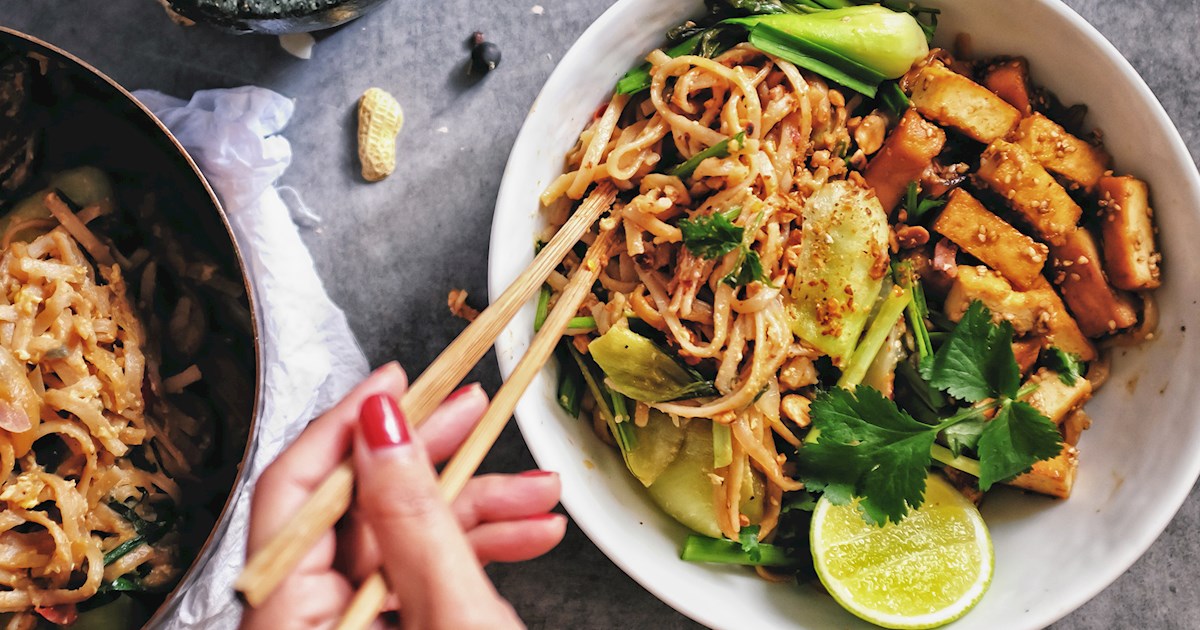
Pad Thai stands out for its balance of sweet, sour and salty flavors. The sauce typically combines tamarind paste, fish sauce and palm sugar to achieve this harmony. Rice noodles are stir‑fried with eggs, tofu and dried shrimp, then tossed with bean sprouts and scallions. A sprinkling of crushed peanuts and a wedge of lime add texture and brightness. While there are many versions, most stick to this combination of ingredients. Vendors and chefs might adjust the recipe depending on available produce or personal taste, but the core elements stay the same. The dish’s popularity on Bangkok’s streets helped turn it into a national symbol, and it soon travelled to restaurants abroad.
What makes the story of Pad Thai interesting is how it reflects Thailand’s adaptability. By combining Chinese stir‑fry methods with local condiments, cooks created a new dish that suited Thai palates and economic needs. It also served as a form of soft power, showcasing Thai food culture to the world. In cooking classes and home kitchens, Pad Thai is often one of the first dishes people learn when exploring Thai cuisine. Its ingredients are accessible, and the cooking process is straightforward, making it a favorite for weeknight meals as well as special occasions.
Here are four facts about Pad Thai that highlight its background and appeal
- It was promoted by the Thai government in the 1930s and 1940s as part of a campaign to modernize the country and support national identity.
- The dish uses rice noodles instead of wheat to support local agriculture and reduce dependence on imported grains.
- Traditional versions include dried shrimp, tofu, preserved radish and a sauce made from tamarind, fish sauce and palm sugar.
- Pad Thai gained international fame during the mid‑twentieth century and is now recognized as a symbol of Thai food worldwide.
When making Pad Thai at home, it is important to prepare all ingredients before starting to cook because the process moves quickly. Soak the rice noodles in warm water until they are flexible, but not too soft. Heat a wok or large pan, and add oil before scrambling the eggs and adding tofu. Then add noodles, sauce and dried shrimp, stirring constantly to coat everything evenly. At the end, toss in bean sprouts and scallions so they stay crisp. Serve with lime wedges, peanuts and chilli flakes on the side, allowing diners to adjust the flavors to their liking. By following this method, you can enjoy a dish that connects you to Thailand’s culinary history and has become a favorite all over the world.