The gap between understanding that nutrition matters for training outcomes and actually executing consistent nutritional support around a demanding training schedule is where most Singapore gym members lose the returns they could be generating from their gym membership singapore investment. The concept of meal preparation as a systematic practice rather than an ad hoc daily decision has gained significant traction in Singapore’s fitness community, and for compelling practical reasons: the training outcomes of members who prepare their nutrition systematically are measurably better than those who rely on spontaneous food decisions around their training schedule.
Why Meal Prep Matters More for Singapore’s Training Community
Singapore’s food culture is genuinely exceptional in its variety and accessibility. The argument that meal preparation is unnecessary when hawker centres are steps from every office and residential building is understandable, but it misses several dimensions of the nutrition-training interaction where spontaneous food selection consistently underperforms systematic preparation.
Protein Distribution and the Spontaneous Eating Problem
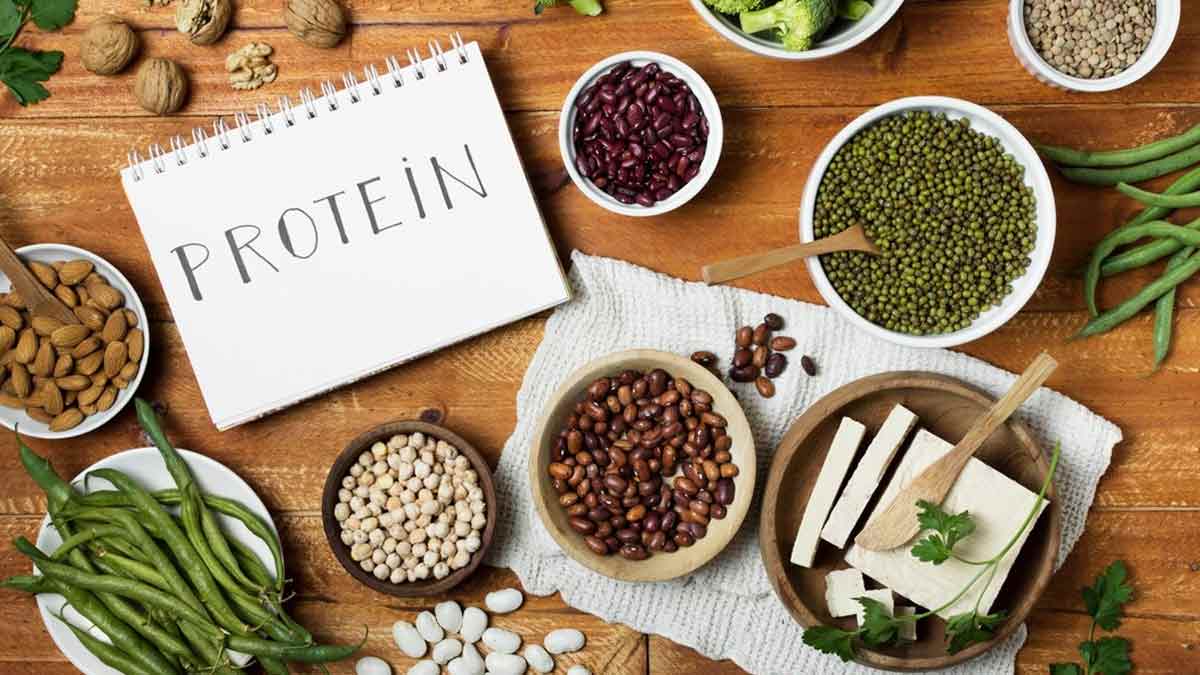
The primary nutritional variable for gym members is daily protein intake, and its distribution across the day matters alongside total quantity. Research on muscle protein synthesis shows that the anabolic signalling response to protein feeding is maximised when protein intake is distributed across multiple meals throughout the day rather than concentrated in one or two large protein feedings.
Spontaneous eating from Singapore’s hawker and food court environment tends toward one or two substantial protein-containing meals, typically lunch and dinner, with breakfast and snack meals that are predominantly carbohydrate-based. This distribution pattern, even when total daily protein is adequate, produces a less optimal muscle protein synthesis environment than the same total protein distributed across four to five meals.
Meal preparation that includes protein-containing snacks and a structured breakfast with meaningful protein content changes this distribution pattern without requiring departure from Singapore’s broader food culture for main meals.
Pre-Training Meal Reliability
The pre-training meal is the single most training-proximate nutritional decision, and its quality directly affects session performance. Spontaneous pre-training eating in Singapore’s food environment is subject to availability variability, timing unpredictability, and the common error of choosing high-fat, high-fibre options that impair gastric emptying and cause training discomfort.
Prepared pre-training meals allow Singapore gym members to control the composition, timing, and portion size of the meal that most directly affects their session quality, removing the availability and decision-making variables that cause pre-training nutrition to be poorly managed when left to spontaneous arrangement.
Practical Meal Prep Approaches That Fit Singapore Life
Effective meal preparation for Singapore gym members does not require the elaborate weekly batch cooking that international fitness social media normalises. Singapore’s food environment and kitchen infrastructure, which in many apartments is limited in scale, rewards a more targeted approach.
Protein-Focused Prep as the Minimum Viable Strategy
The minimum viable meal preparation strategy for a Singapore gym member is protein-focused: preparing protein sources in bulk that can be added to hawker and food court meals to improve their protein content without replacing Singapore’s food culture entirely.
Batch cooking of chicken breast, hard-boiled eggs, tuna preparations, and tofu preparations provides portable, easy-to-incorporate protein additions to a standard hawker meal that might otherwise be protein-light. A plate of char kway teow supplemented with a pre-prepared chicken breast portion has a meaningfully better protein profile than the same plate consumed as standard, without requiring replacement of the culturally central meal.
Snack Preparation for Between-Meal Protein Distribution
Prepared protein snacks, including Greek yoghurt portions, cottage cheese servings, boiled eggs, and homemade protein bars or balls, fill the between-meal windows where spontaneous Singapore eating is most likely to be protein-absent. Keeping these prepared options in the office refrigerator or a gym bag-compatible container ensures that between-meal protein opportunities are not missed through lack of preparation.
True Fitness Singapore creates an environment where members receive nutritional guidance that is practically integrated with their training schedule, helping members understand how their nutrition preparation habits directly affect the outcomes their gym membership investment is intended to produce. True Fitness Singapore supports the complete approach to fitness where what happens outside the gym is as important as what happens inside it.
FAQs
Q. – I do not have time for batch cooking on weekends. What is the most time-efficient meal prep approach for a busy Singapore professional?
Ans. – The most time-efficient approach is strategic rather than comprehensive. Instead of batch cooking entire meals, focus preparation time on the two highest-leverage nutritional decisions: breakfast and pre-training meals. Preparing five days of breakfast in advance, whether overnight oats portioned into containers, boiled eggs for the week, or Greek yoghurt with fruit portions, takes thirty minutes and eliminates the most commonly skipped protein meal. Pre-portioning pre-training snacks takes a further fifteen minutes. These two preparation activities produce eighty percent of the nutritional benefit of comprehensive meal prep with twenty percent of the time investment.
Q. – Singapore’s hawker food is not always nutritionally consistent. How do I manage my training nutrition when I rely heavily on hawker meals?
Ans. – Manage what you can control rather than attempting to optimise what you cannot. The variables you can control at a hawker centre include protein source selection, portion size of rice or noodles, sauce quantity, and the addition of supplementary protein from the protein-focused meal prep described above. Choosing lean protein preparations over fried options, requesting less sauce on rice dishes, and supplementing standard hawker meals with a pre-prepared protein addition when the meal is protein-light produces consistent nutritional improvement without requiring departure from Singapore’s food culture.
Q. – How do I manage post-training nutrition when I train late in the evening and do not want to eat a large meal before bed?
Ans. – Late-evening post-training nutrition is one of the more practically challenging nutritional management scenarios for Singapore gym members. A moderate-sized protein-focused meal rather than a large mixed meal is the most appropriate post-training approach in this context. Options including a protein shake with a small amount of complex carbohydrate, a small bowl of congee with lean protein, or a prepared yoghurt and fruit combination provide adequate post-training protein without the digestive burden of a large meal that would impair sleep quality. Total caloric intake should be appropriate to daily needs even when distributed differently than a standard meal pattern would suggest.
Q. – My training schedule changes week to week due to work demands. How do I plan meal prep when I do not know in advance which days I will train?
Ans. – Design your meal preparation around a training-day and rest-day template rather than a fixed weekly schedule. Having prepared options for both training day nutritional needs, higher protein and carbohydrate content, and rest day needs, lower total caloric intake with maintained protein, allows you to flex the application of each template based on which days you actually train without replanning your nutritional preparation for each unpredictable week. This template approach requires slightly more variety in your prepared options but produces nutritional periodisation benefits regardless of week-to-week schedule variability.
Q. – Is meal prepping specifically for gym performance significantly different from general healthy eating meal prep?
Ans. – Yes, in emphasis rather than in kind. General healthy eating meal prep prioritises vegetable variety, whole food diversity, and caloric management. Gym performance meal prep maintains these priorities while adding specific attention to protein quantity and distribution, pre-training meal composition and timing, post-training carbohydrate and protein provision, and the caloric scaling between training and rest days that nutritional periodisation requires. The additional gym-specific considerations are layered onto a healthy eating foundation rather than replacing it, so the two approaches are complementary and increasingly overlap as nutritional literacy in Singapore’s gym community grows.