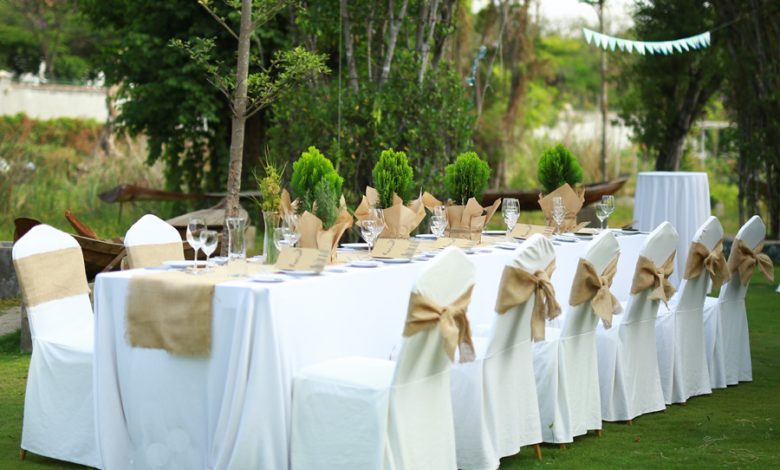
Planning catering for a large outdoor event requires careful coordination, reliable logistics, and thoughtful menu preparation. Unlike indoor gatherings, outdoor catering introduces variables such as weather conditions, space limitations, transportation challenges, and service timing. Proper planning ensures food quality remains consistent and guests enjoy a smooth dining experience throughout the event.
The following practical tips help organizers manage outdoor catering efficiently while maintaining service standards and guest satisfaction.
Understand the Event Size and Guest Requirements
The first step in outdoor catering planning is determining the number of attendees and their preferences. Accurate estimates help avoid shortages or unnecessary food waste.
Important considerations include:
- Finalizing the approximate guest count early
- Identifying dietary restrictions and cultural food preferences
- Planning separate counters if serving diverse cuisines
- Adjusting portion sizes based on event duration
Clear guest planning supports better coordination with catering teams.
Choose a Suitable Outdoor Venue Layout
Outdoor catering success depends heavily on venue arrangement. Proper placement of food counters and seating areas ensures smooth movement and service flow.
Focus on:
- Allocating enough space for buffet counters
- Creating dedicated service zones for staff
- Ensuring easy guest access to food stations
- Keeping cooking equipment away from crowded walkways
A well-structured layout prevents congestion and improves service efficiency.
Select Weather-Appropriate Menu Options
Outdoor conditions directly influence menu choices. Foods that maintain quality in varying temperatures should be prioritized.
Recommended strategies include:
- Avoiding dishes that spoil quickly in heat
- Choosing items that stay fresh longer
- Including light and easy-to-serve meals
- Planning seasonal beverages suited to the climate
Weather-friendly menus reduce the risk of food deterioration during service.
Plan Reliable Food Transportation and Storage
Transporting food safely to an outdoor venue requires specialized planning. Temperature control and timely delivery help maintain taste and hygiene.
Effective preparation includes:
- Using insulated containers for hot and cold items
- Scheduling deliveries close to serving time
- Arranging backup storage options if needed
- Ensuring secure transport routes to the venue
Proper logistics maintain food safety throughout the event timeline.
Arrange Adequate Power and Water Supply
Outdoor locations may not always provide stable infrastructure. Catering teams often require additional arrangements to operate efficiently.
Essential requirements include:
- Backup power sources for equipment
- Access to clean water for cooking and cleaning
- Lighting support for evening events
- Safe cable placement to avoid accidents
Infrastructure planning supports uninterrupted catering operations.
Organize Efficient Serving Stations
Serving stations must be designed to handle large guest volumes without delays. Strategic placement improves service speed and guest convenience.
Best practices include:
- Setting multiple serving counters for large gatherings
- Separating beverage and food stations
- Pl placing dessert counters away from main buffets
- Providing clearly marked entry and exit points
Efficient station planning enhances guest movement and reduces waiting time.
Prepare for Weather Contingencies
Outdoor events are always influenced by weather uncertainty. Backup arrangements protect food quality and guest comfort.
Preventive measures involve:
- Installing tents or canopy structures
- Planning covered preparation areas
- Keeping protective covers for food counters
- Monitoring weather forecasts before the event day
Contingency planning reduces unexpected disruptions.
Maintain Hygiene and Food Safety Standards
Food safety remains critical in outdoor environments where exposure risks increase. Professional hygiene practices protect both guests and service teams.
Safety practices include:
- Using covered serving containers
- Assigning trained staff to manage food handling
- Providing waste disposal points near service areas
- Ensuring frequent cleaning of serving stations
Strong hygiene standards maintain confidence among guests.
Coordinate Staff Roles and Service Timing
Large outdoor events require coordinated teamwork. Clear responsibilities help catering teams maintain consistent service quality.
Coordination strategies include:
- Assigning supervisors for each service section
- Scheduling food refills at regular intervals
- Planning serving timelines based on event flow
- Keeping backup staff ready for peak service periods
Well-managed teams improve operational efficiency.
Provide Comfortable Guest Dining Arrangements
Guest comfort influences how catering services are experienced during outdoor events. Seating arrangements and accessibility must be planned carefully.
Comfort-focused planning includes:
- Providing shaded dining spaces
- Ensuring stable seating arrangements
- Allowing space for elderly guests and children
- Keeping drinking water easily accessible
Comfortable dining environments support a positive event experience.
Frequently Asked Questions
1. What type of catering service works best for large outdoor events
Buffet-style catering is commonly preferred because it allows smooth guest movement and faster service for large groups.
2. How early should outdoor catering planning begin
Planning should ideally begin at least four to six weeks before the event to coordinate logistics and menu preparation properly.
3. Is it necessary to arrange separate cooking space at outdoor venues
In many cases, a temporary cooking area helps maintain freshness and supports efficient food service during large events.
4. How can organizers estimate the correct food quantity for large gatherings
Professional caterers typically calculate quantities based on guest count, event duration, and meal format.
5. Are beverage stations important for outdoor catering setups
Dedicated beverage counters improve service speed and help prevent congestion at main food stations.
6. What permits may be required for outdoor catering events
Depending on the location, organizers may need local permissions related to temporary structures, electricity usage, or public space arrangements.
7. How can event organizers reduce food wastage during large outdoor functions
Accurate guest estimation, controlled portion serving, and planned refill scheduling help minimize food wastage effectively.