If dinner is steak and chips, ribeye, striploin and tenderloin will all do the job, but they will not give you the same plate. Ribeye is rich and fatty, tenderloin is soft and mild, and striploin falls somewhere between the two. The best cut depends on the flavor you enjoy, the pan or grill you have available and how much you want to spend.
Choosing beef for steak
If you order beef online Bangkok, start with the cut name and thickness before looking at brands or special offers. A thin steak cooks quickly and is difficult to brown without taking the center past the point you wanted. A thicker steak gives you longer to build a crust, although it may need finishing over gentler heat after the first hard sear.
Ribeye suits anyone who enjoys a rich steak with plenty of beef flavor. The lines of fat running through the meat melt during cooking, helping the steak remain juicy and giving the browned edges plenty of flavor. It works particularly well in a heavy pan or over a hot grill, where the outside can color properly.
Tenderloin is much leaner and has a softer texture, but its flavor is milder than ribeye. It is usually one of the most expensive cuts, so it is worth cooking carefully and serving with a sauce that does not overpower it. Choose tenderloin when tenderness matters most, rather than buying it simply because it carries a higher price.
Striploin offers a firmer bite and a good balance between meat and fat. Sirloin and rump are also sensible choices for an everyday steak dinner, particularly if you plan to slice the beef for sharing. Look closely at the shape of the steaks in the pack, because pieces of similar weight may have very different thicknesses.
Choosing beef for other dinners
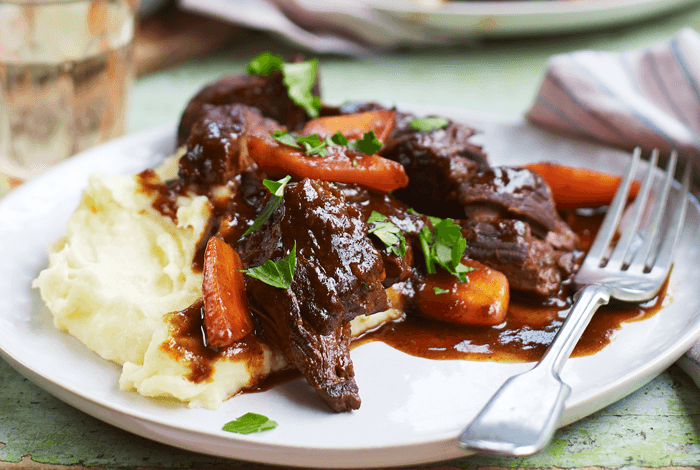
Chuck, brisket and short ribs need time rather than fierce heat. These cuts contain connective tissue that softens during a long braise or slow roast, giving the finished dish a fuller texture and a rich cooking liquid. Trying to cook a thick piece of chuck like a ribeye will usually leave it chewy, even if the center is still pink.
Flank and skirt need the opposite cooking approach from these slow-cooked cuts. They are thinner cuts with a clear grain, so they suit quick cooking for grilled beef salads, wraps and rice dishes. Rest the meat after cooking, then slice it thinly across the grain instead of following the long muscle fibers.
Check the weight, number of pieces and if the beef is bone-in before ordering. The listed weight may cover two steaks, several smaller pieces or one large cut intended for sharing, so it does not tell you how many portions are inside. Bone adds to the pack weight, which leaves less edible meat when buying short ribs or a large bone-in steak.
The product description should also say if the beef is chilled or frozen. Arrange delivery for a time when someone can refrigerate it promptly, follow the use-by date on the pack and thaw frozen beef in the refrigerator. Individually packed steaks are handy when cooking for one or two people, since the remaining portions can stay frozen.