A cafe is more than a place to drink coffee. It is a social environment where people meet, work, relax, and experience local culture through food, design, and conversation. From neighborhood gathering spots to contemporary specialty coffee destinations, cafes have become essential parts of everyday urban life.
Understanding how cafes operate, what defines their atmosphere, and how menus and interiors shape visitor experience helps both guests and aspiring owners appreciate their growing cultural importance.
What Defines a Cafe
A cafe is typically a casual hospitality space focused on coffee, light meals, and comfortable seating. Unlike fast service outlets, cafes encourage longer stays and relaxed interaction.
Common characteristics of a cafe include:
- Freshly brewed coffee and tea selections
- Light meals such as sandwiches and pastries
- Comfortable seating arrangements
- Calm and welcoming atmosphere
- Flexible spaces for conversation or individual work
These elements make cafes suitable for both social visits and quiet personal time.
The Role of Cafes in Everyday Lifestyle
Cafes have become central to modern routines because they offer a balanced environment between home and workplace settings.
People often visit cafes to:
- Meet friends and colleagues
- Work remotely with minimal distractions
- Hold informal discussions
- Enjoy short breaks during busy schedules
- Explore new beverages and desserts
This versatility explains why cafes remain popular across different age groups and professions.
Interior Design Shapes the Cafe Experience
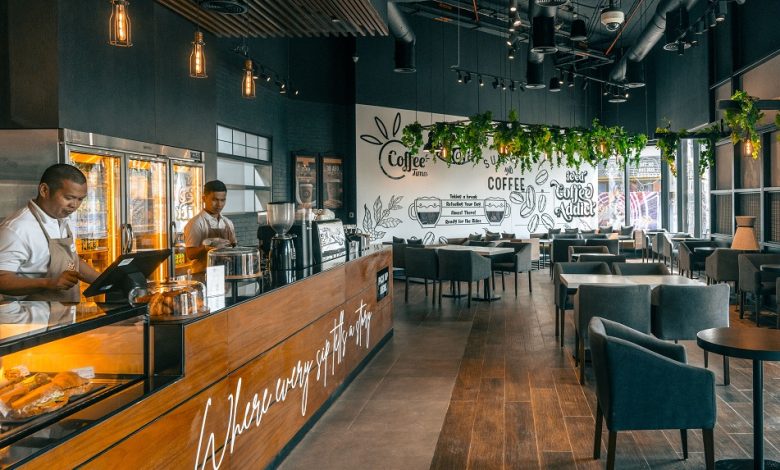
Interior design strongly influences how comfortable visitors feel inside a cafe. A thoughtfully designed space encourages longer visits and repeat customers.
Important interior design features include:
Seating comfort
Soft chairs, supportive stools, and varied seating zones accommodate different visitor needs.
Lighting balance
Warm lighting supports relaxation while natural daylight improves productivity.
Material choices
Wood, stone, and textured surfaces create welcoming environments.
Layout efficiency
Clear pathways and organized seating improve movement and accessibility.
Together, these elements create an inviting atmosphere that supports both social and individual activities.
Coffee Remains the Core Attraction
Coffee is the foundation of most cafe menus. Quality preparation techniques and bean selection influence taste and customer satisfaction.
Popular coffee options served in cafes include:
- Espresso
- Cappuccino
- Latte
- Americano
- Cold brew
Specialty cafes often highlight origin-based beans to introduce customers to diverse flavor profiles.
Expanding Menu Offerings Increase Appeal
Modern cafes offer more than beverages. A well-designed menu encourages visitors to stay longer and return frequently.
Common cafe menu items include:
- Fresh pastries
- Sandwiches and wraps
- Light breakfast plates
- Cakes and desserts
- Healthy snack options
Balanced menus support different dietary preferences and visiting times throughout the day.
Atmosphere Encourages Social Interaction
Cafes create environments where people feel comfortable connecting with others without the formality of restaurants.
Atmosphere is shaped by:
- Background music selection
- Seating arrangement variety
- Friendly service style
- Clean and organized surroundings
These details influence how relaxed visitors feel during their stay.
Technology Supports Modern Cafe Visits
Digital habits have transformed how people use cafes. Many guests expect spaces that support productivity alongside relaxation.
Technology-friendly cafes often provide:
- Reliable wireless internet access
- Charging points near seating areas
- Comfortable workspace tables
- Quiet zones for focused tasks
These features make cafes attractive destinations for students and professionals.
Outdoor Seating Enhances Visitor Experience
Outdoor seating areas add variety to the cafe environment and attract customers who prefer open-air settings.
Benefits of outdoor seating include:
- Natural lighting exposure
- Flexible seating capacity
- Relaxed street-view atmosphere
- Seasonal dining opportunities
Such spaces help cafes remain active throughout the day.
Staff Interaction Builds Customer Loyalty
Service quality plays a major role in shaping customer perception of a cafe.
Effective staff interaction includes:
- Warm greetings
- Helpful menu suggestions
- Efficient order handling
- Consistent service standards
Positive service experiences encourage repeat visits and strong customer relationships.
Cleanliness Reflects Professional Standards
Clean environments directly influence customer trust and comfort. Visitors are more likely to stay longer and return when hygiene standards remain high.
Important cleanliness practices include:
- Regular table sanitation
- Organized service counters
- Well-maintained restrooms
- Proper food storage procedures
Attention to these details strengthens the reputation of a cafe.
Location Influences Cafe Popularity
A cafe’s location affects its visitor flow and daily rhythm. Areas near offices, educational institutions, and residential neighborhoods often support steady customer activity.
Strategic locations help cafes:
- Attract consistent foot traffic
- Serve diverse customer groups
- Build community connections
- Maintain regular business hours efficiency
Location planning plays a key role in long-term success.
Seasonal Menu Changes Maintain Customer Interest
Introducing seasonal beverages and snacks keeps menus fresh and engaging.
Examples include:
- Iced drinks during warmer months
- Warm desserts during cooler seasons
- Limited-time specialty beverages
- Regionally inspired recipes
Seasonal variation encourages customers to return regularly.
Conclusion
Cafes continue to play an important role in modern social and professional life by combining comfort, quality beverages, thoughtful design, and welcoming service. Whether used for relaxation, conversation, or productivity, a well-managed cafe creates a balanced environment that supports everyday routines while offering enjoyable experiences.
Frequently Asked Questions
What is the difference between a cafe and a coffee shop
A cafe usually offers a broader menu including light meals, while a coffee shop focuses mainly on beverages with limited food options.
Why do many people choose cafes for remote work
Cafes provide comfortable seating, moderate background activity, and internet access that supports focused work outside home environments.
How does lighting affect the mood inside a cafe
Warm lighting encourages relaxation, while natural daylight improves alertness and comfort during longer visits.
Why do cafes change menus seasonally
Seasonal menu updates keep offerings interesting and allow cafes to match customer preferences throughout the year.
What makes a cafe interior inviting
Comfortable seating, balanced lighting, natural materials, and organized layouts help create welcoming environments.
How important is background music in cafes
Soft background music improves atmosphere without interrupting conversation or concentration.
Why do some cafes include outdoor seating areas
Outdoor seating increases capacity and provides customers with fresh air and street-facing social spaces.