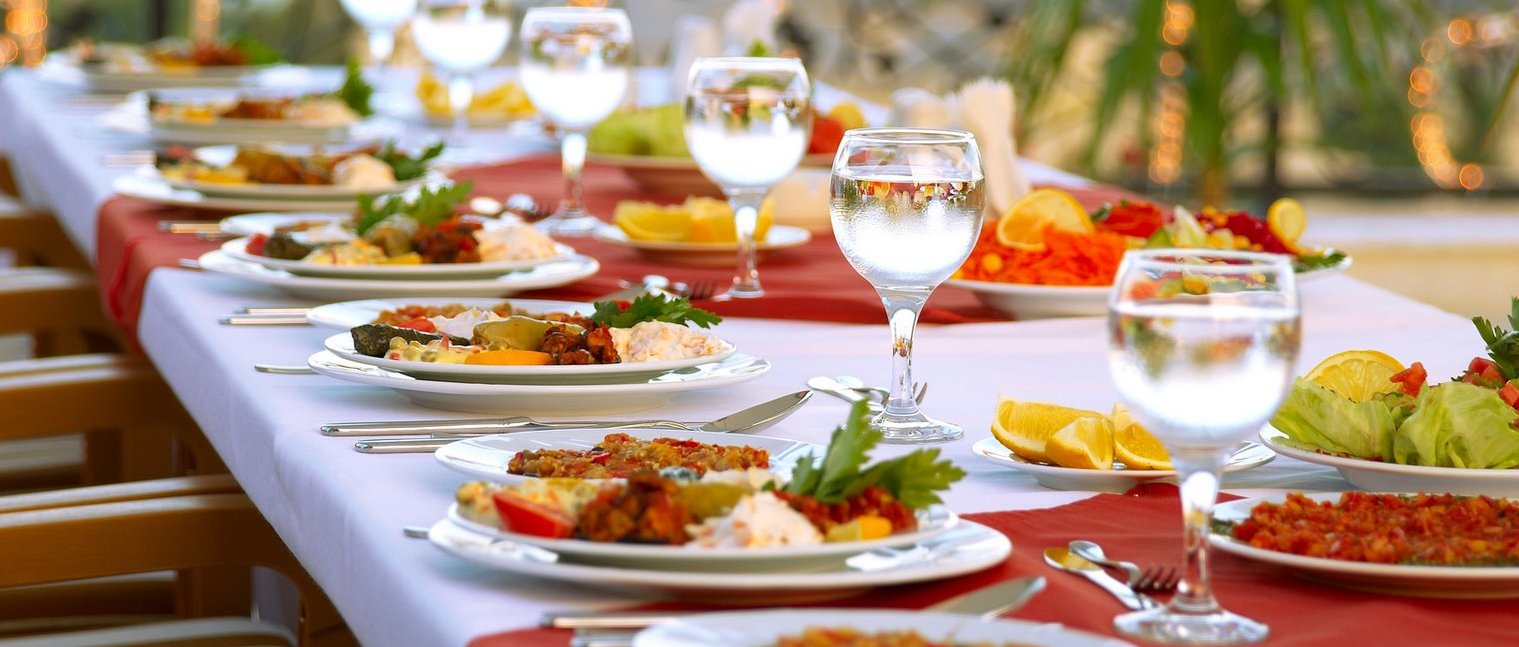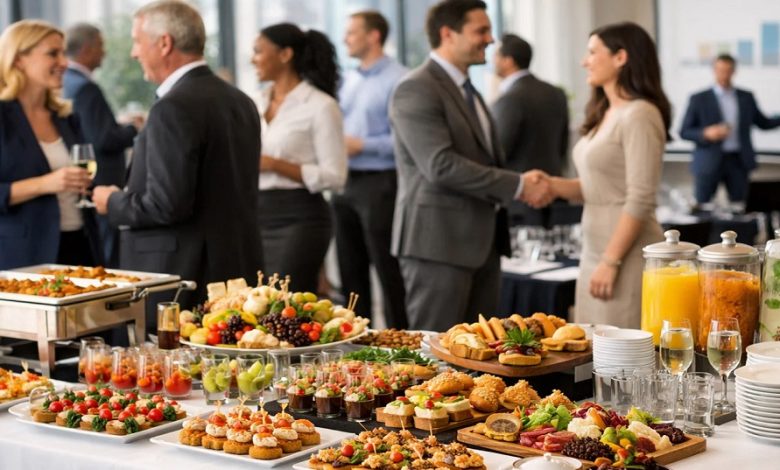
Corporate catering plays a vital role in shaping the tone, productivity, and impression of professional gatherings. Whether it is a leadership summit, client presentation, product launch, training session, or annual celebration, thoughtfully planned catering enhances the overall experience and reflects organizational professionalism. Modern corporate catering solutions go far beyond serving meals. They support branding, comfort, efficiency, and engagement throughout the event lifecycle.
Why Corporate Catering Matters for Business Events
Food service at professional events directly influences participant satisfaction and energy levels. Well-structured catering arrangements help maintain focus during long sessions while reinforcing the company’s attention to detail.
Key advantages include:
- Enhancing guest comfort and hospitality
- Supporting networking through informal interaction spaces
- Strengthening brand perception among clients and stakeholders
- Improving employee morale and engagement
- Ensuring smooth scheduling without meal disruptions
Organizations that invest in structured catering solutions often experience better event flow and stronger participant feedback.
Types of Corporate Catering Services
Different business events require different catering formats. Selecting the right service style ensures both practicality and professionalism.
Buffet Catering
Buffet-style catering is suitable for medium to large gatherings where flexibility is essential.
Benefits include:
- Wide variety of food choices
- Efficient service for large groups
- Encourages interaction among attendees
- Adaptable to dietary preferences
This format works especially well for conferences, seminars, and networking sessions.
Plated Meal Service
Plated catering provides a structured dining experience typically used for formal corporate events.
Advantages include:
- Elegant presentation
- Controlled portion sizes
- Timely service aligned with event schedules
- Ideal for executive meetings and award ceremonies
This approach reflects a premium experience for clients and senior leadership.
Boxed Meal Catering
Boxed meals are ideal for fast-paced or space-limited business environments.
Common use cases include:
- Training workshops
- On-site team sessions
- Outdoor corporate activities
- Multi-location company programs
They support efficiency without interrupting workflows.
Beverage and Refreshment Stations
Refreshment counters maintain attendee energy levels throughout the event.
Popular options include:
- Coffee and tea stations
- Fresh juices
- Healthy snack bars
- Light bakery selections
These stations work especially well during breaks and networking intervals.
Planning Corporate Catering Strategically
Effective catering requires coordination between event planners, vendors, and venue teams. Strategic planning ensures smooth execution and avoids last-minute disruptions.
Important planning considerations include:
Understanding Event Objectives
Every event has a purpose. Catering must align with the nature of the gathering.
Examples:
- Formal meals for executive meetings
- Light snacks for brainstorming sessions
- Multi-course service for celebrations
- Grab-and-go options for workshops
Matching catering style with event goals improves participant experience.
Estimating Guest Preferences
Understanding audience expectations helps create an inclusive menu.
Key factors include:
- Dietary restrictions
- Cultural considerations
- Vegetarian and vegan options
- Allergy awareness
Inclusive planning reflects professionalism and respect.
Venue Compatibility
The catering plan should complement the event location.
Check:
- Kitchen availability
- Serving space
- Seating layout
- Power requirements
- Waste management support
Venue alignment ensures smooth service delivery.
Menu Design for Professional Impact
A well-designed corporate menu balances taste, nutrition, and presentation. It should energize participants without causing discomfort or delays.
Recommended menu planning strategies:
- Choose light yet satisfying meals for daytime events
- Include protein-rich snacks for sustained focus
- Avoid overly heavy dishes during working sessions
- Offer seasonal ingredients for freshness
- Provide balanced beverage selections
Smart menu planning improves engagement and productivity.
Customization Options in Modern Corporate Catering
Corporate catering providers now offer flexible solutions tailored to organizational needs.
Popular customization features include:
- Branded food packaging
- Theme-based menu presentations
- Regional cuisine integration
- Sustainable serving materials
- Live cooking stations
Customization enhances brand identity while creating memorable experiences.
Sustainability in Corporate Catering
Sustainability has become an important priority for organizations hosting professional events. Responsible catering practices contribute to environmental goals while strengthening brand reputation.
Sustainable catering solutions include:
- Locally sourced ingredients
- Biodegradable serving materials
- Portion-controlled meal planning
- Reduced food waste strategies
- Digital menu displays instead of printed copies
These practices support environmentally responsible event management.
Technology Integration in Corporate Catering Services
Modern catering providers increasingly rely on technology to improve coordination and service quality.
Examples include:
- Digital menu selection tools
- Online headcount tracking systems
- Real-time delivery monitoring
- Contactless service options
- Feedback collection platforms
Technology ensures accuracy, speed, and transparency throughout the catering process.
Choosing the Right Corporate Catering Partner
Selecting a reliable catering partner determines the success of your business event. A professional provider should understand corporate expectations and maintain service consistency.
Important evaluation criteria include:
- Experience with business events
- Menu flexibility
- Hygiene standards
- Staff professionalism
- Timely execution capability
- Ability to manage large guest volumes
Working with experienced caterers reduces operational stress and enhances event outcomes.
Budget Planning for Corporate Catering
Effective budgeting ensures quality service without unnecessary expenses. Organizations should balance cost efficiency with professional presentation.
Cost optimization strategies include:
- Selecting appropriate service styles
- Choosing seasonal menu items
- Confirming guest counts accurately
- Avoiding unnecessary menu complexity
- Scheduling services during optimal vendor availability windows
A structured catering budget supports predictable event planning.
Enhancing Guest Experience Through Smart Catering Design
Corporate catering contributes significantly to guest perception of an event. Thoughtful details can elevate the overall atmosphere.
Examples include:
- Clearly labeled dietary options
- Organized serving stations
- Comfortable dining arrangements
- Professional presentation standards
- Timely service intervals
Attention to these details creates a smooth and welcoming environment.
FAQ Section
What types of corporate events typically require catering services
Corporate catering is commonly used for conferences, training sessions, executive meetings, product launches, networking events, seminars, and employee celebrations.
How far in advance should corporate catering be booked
Booking catering services at least two to three weeks before the event allows enough time for menu planning, logistics coordination, and customization requests.
Can corporate catering accommodate special dietary requirements
Yes, most professional caterers provide vegetarian, vegan, gluten-free, and allergy-conscious menu options when informed in advance.
Is buffet catering suitable for formal business meetings
Buffet catering is generally better suited for semi-formal gatherings. Formal meetings usually benefit from plated service arrangements.
How can organizations ensure food safety during corporate events
Selecting experienced caterers with strong hygiene certifications, proper storage practices, and trained staff helps maintain food safety standards.
What factors influence the cost of corporate catering services
Costs typically depend on guest count, menu complexity, service style, event duration, staffing requirements, and customization features.
Can corporate catering services support sustainability goals
Many catering providers now offer eco-friendly packaging, locally sourced ingredients, and food waste reduction strategies that align with sustainability initiatives.