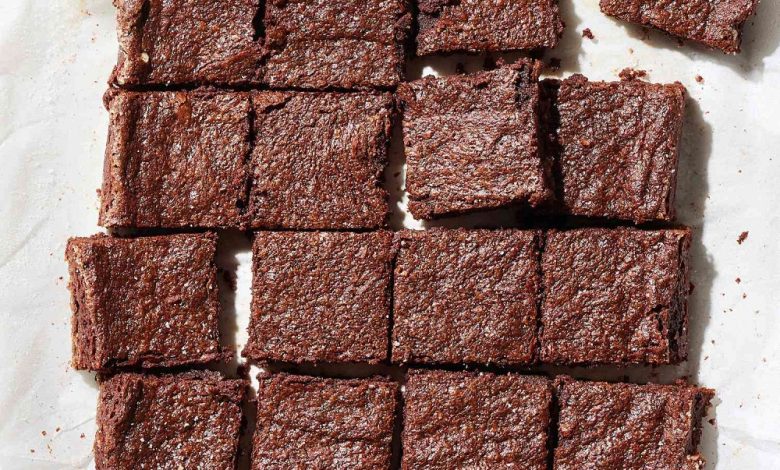
Gluten-free baking has evolved far beyond dry loaves and crumbly cookies. With the right ingredients, techniques, and understanding of how gluten works, it is entirely possible to create baked goods that are soft, flavorful, and satisfying. Whether you are avoiding gluten for health reasons or simply exploring new baking methods, mastering gluten-free baking can open the door to delicious results that rival traditional recipes.
This guide explains what makes gluten-free baking successful and how to achieve consistent, bakery-quality texture and taste at home.
Understanding Why Gluten Matters in Baking
Gluten is a protein found in wheat, barley, and rye. It forms a flexible structure when mixed with liquid, helping dough trap air and hold shape during baking. Removing gluten changes how baked goods behave.
Without gluten, recipes often struggle with:
- Dense textures
- Crumbling structures
- Dryness
- Lack of elasticity
Successful gluten-free baking replaces gluten’s structure with carefully chosen ingredient combinations.
Best Gluten-Free Flours That Improve Texture and Flavor
No single gluten-free flour perfectly replaces wheat flour. Instead, combining several flours creates balance between structure and softness.
Almond Flour
Almond flour adds richness and moisture. It works especially well in:
- Cakes
- Muffins
- Cookies
- Quick breads
Its natural fat content improves tenderness and flavor depth.
Oat Flour
Certified gluten-free oat flour creates a mild taste and soft crumb. It performs well in:
- Pancakes
- Banana bread
- Snack cakes
It also increases fiber content.
Rice Flour
Rice flour provides structure but can feel gritty alone. It works best when blended with softer flours and starches.
Tapioca Starch
Tapioca starch improves chewiness and elasticity. It helps baked goods feel lighter and less crumbly.
A reliable gluten-free flour blend often combines:
- 40 percent whole-grain flour
- 40 percent starch
- 20 percent protein-rich flour
This balance produces better texture consistency.
Essential Ingredients That Replace Gluten’s Function
Structure matters as much as flavor in gluten-free baking. Certain ingredients mimic gluten’s elasticity.
Xanthan Gum
Xanthan gum stabilizes batter and improves binding. Even small amounts significantly enhance texture.
Typical usage:
- 1/4 teaspoon for cookies
- 1/2 teaspoon for cakes
- 1 teaspoon for bread
Psyllium Husk
Psyllium husk creates stretch similar to traditional dough. It works especially well for yeast breads.
Eggs
Eggs provide structure, moisture, and lift. Many gluten-free recipes rely on eggs as a primary binder.
Yogurt or Buttermilk
These ingredients increase tenderness and help maintain moisture.
Practical Techniques That Transform Gluten-Free Results
Even the best ingredients fail without proper technique. These strategies dramatically improve outcome quality.
Measure Precisely
Gluten-free flour absorbs moisture differently. Use accurate measuring methods to maintain consistency.
Increase Hydration Slightly
Gluten-free batters often need more liquid than traditional recipes. This prevents dryness.
Let Batter Rest Before Baking
Allowing batter to sit for 10 to 20 minutes hydrates starches fully and improves structure.
Avoid Overmixing
Overmixing creates dense texture even without gluten. Stir until just combined.
Bake at the Correct Temperature
Slightly lower temperatures often help gluten-free baked goods cook evenly without drying out.
Flavor Enhancements That Make Gluten-Free Baking Exceptional
Texture alone does not define quality. Flavor determines whether recipes feel satisfying.
Improve flavor naturally by adding:
- Vanilla extract
- Citrus zest
- Cinnamon or nutmeg
- Toasted nuts
- Dark chocolate chips
Because gluten-free flours can taste neutral, these additions create depth and warmth.
Easy Gluten-Free Baking Ideas That Always Work
Beginners can start with reliable recipes that respond well to gluten-free substitutions.
Try baking:
- Banana bread using oat flour and almond flour
- Chocolate chip cookies with almond flour base
- Pancakes using rice flour blend
- Lemon muffins enriched with yogurt
These recipes build confidence while delivering excellent texture.
Common Mistakes to Avoid in Gluten-Free Baking
Avoiding these mistakes improves results immediately.
Do not:
- Use a single flour type without blending
- Skip binding agents like xanthan gum
- Reduce moisture levels too much
- Bake at excessively high temperatures
- Expect dough to behave like wheat dough
Adjust expectations and techniques for better outcomes.
How to Store Gluten-Free Baked Goods Properly
Gluten-free products dry faster than traditional baked goods. Proper storage preserves freshness.
Best storage practices include:
- Wrap tightly after cooling
- Store at room temperature for short-term use
- Refrigerate for extended freshness
- Freeze for long-term storage
Freezing maintains texture especially well for breads and muffins.
FAQ Section
Why do gluten-free baked goods sometimes taste dry
Gluten-free flours absorb more liquid than wheat flour. Increasing hydration and adding moisture-rich ingredients like yogurt improves texture.
Can I substitute gluten-free flour directly for wheat flour
Not always. Most recipes require a blended flour mix and additional binding agents for best results.
Is xanthan gum necessary in every gluten-free recipe
No. Some recipes rely on eggs or psyllium husk instead, but xanthan gum often improves structure in cakes and breads.
Which gluten-free flour is best for beginners
A balanced flour blend containing rice flour, tapioca starch, and almond flour works reliably for many recipes.
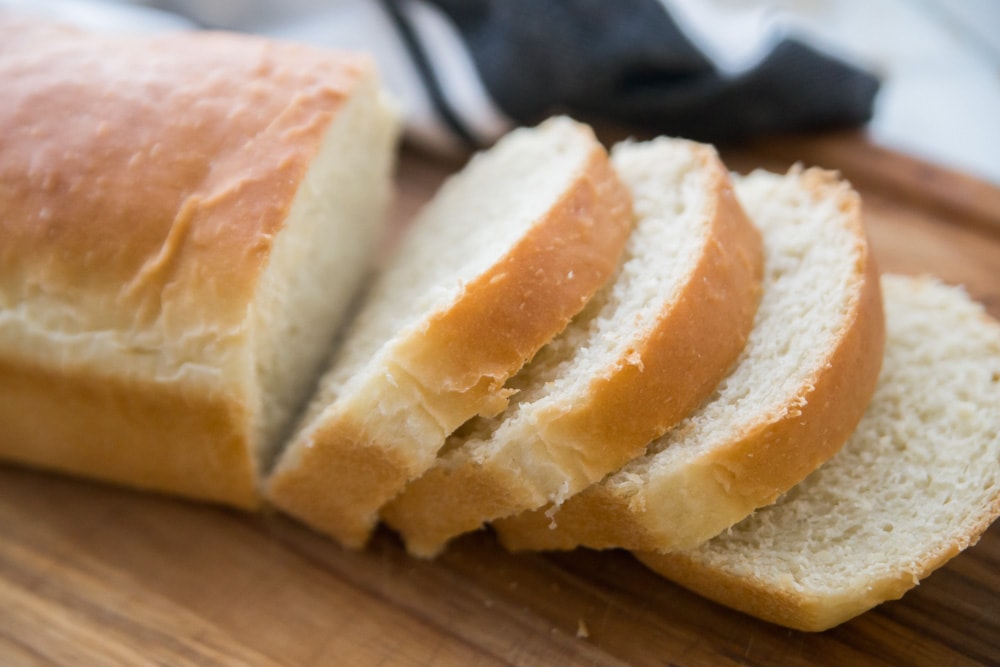
Why does gluten-free bread crumble easily
Lack of binding structure causes crumbling. Adding psyllium husk or xanthan gum strengthens the dough.
Can gluten-free baked goods rise like traditional ones
Yes. Proper hydration, eggs, and binding ingredients help achieve good rise and softness.
How can I improve the flavor of gluten-free baking
Enhance recipes with spices, citrus zest, vanilla extract, or nut-based flours for richer taste.