Introduction
Food trends rarely emerge by accident. They evolve alongside shifting priorities, technological advances, cultural exchange, and economic realities. What people choose to eat today often reveals how they live, work, socialize, and think about health and sustainability.
From plant-based meals to quick delivery services and mindful eating habits, modern food preferences mirror deeper lifestyle transformations across the world. Understanding these patterns helps explain how societies adapt to new challenges and opportunities.
The Rise of Health-Conscious Eating
One of the most visible lifestyle shifts is the growing emphasis on personal wellness. As awareness about nutrition increases, people are making deliberate food choices that support long-term health.
This shift reflects several lifestyle realities:
- Busy individuals seeking efficient nutrition through balanced meals
- Increased concern about lifestyle-related diseases
- Greater access to nutritional education through digital platforms
- Rising preference for natural and minimally processed foods
Popular health-driven trends include:
- High-protein diets
- Plant-forward meals
- Functional foods with added nutrients
- Low-sugar alternatives
These choices indicate a movement toward preventive healthcare through everyday eating habits.
Convenience Culture and Fast-Paced Living
Modern lifestyles often revolve around speed and efficiency. As work schedules become tighter and commuting time increases, people prioritize convenience without abandoning nutrition entirely.
This transformation has fueled the growth of:
- Ready-to-eat meals
- Meal subscription services
- Cloud kitchens
- Food delivery platforms
Convenience-based food trends demonstrate how urban living shapes eating behavior. People now expect meals that are quick, portable, and accessible at any time of day.
The Popularity of Plant-Based Diets
Plant-based eating is expanding rapidly across many regions. While once associated mainly with ethical motivations, it now reflects broader lifestyle priorities.
Key influences behind this shift include:
- Environmental awareness
- Animal welfare concerns
- Interest in sustainable agriculture
- Health-oriented food choices
Plant-based alternatives such as dairy-free milk, meat substitutes, and vegetable-rich meals reflect a lifestyle that values both personal wellness and planetary responsibility.
Social Media and the Influence of Digital Culture
Technology plays a powerful role in shaping food preferences. Social platforms have transformed how people discover recipes, restaurants, and eating habits.
Digital culture encourages:
- Experimentation with international cuisines
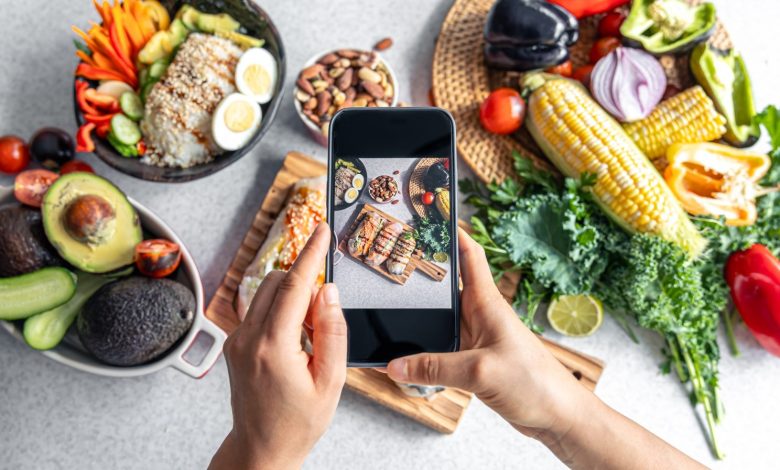
- Interest in visually appealing dishes
- Awareness of global nutrition movements
- Rapid adoption of emerging food trends
As a result, individuals today are more adventurous with their food choices than previous generations.
Sustainability as a Lifestyle Priority
Modern consumers increasingly evaluate food based on its environmental impact. This awareness is reshaping purchasing decisions and dining habits.
Sustainable food trends include:
- Locally sourced ingredients
- Seasonal eating habits
- Reduced food waste practices
- Eco-friendly packaging preferences
These choices reflect a growing lifestyle commitment to protecting natural resources while maintaining quality nutrition.
Cultural Exchange and Global Food Accessibility
Globalization has expanded access to international ingredients and cuisines. People are no longer limited to traditional regional diets.
Lifestyle changes influencing this shift include:
- Increased travel opportunities
- Migration and multicultural communities
- Online recipe sharing
- International restaurant availability
As a result, fusion cuisine and cross-cultural cooking styles have become everyday experiences rather than occasional treats.
Personalized Nutrition and Lifestyle Alignment
Modern lifestyles vary widely, and food habits are becoming more personalized as a result. Individuals now tailor diets based on their routines, health goals, and preferences.
Examples include:
- Fitness-focused meal planning
- Allergy-aware cooking
- Low-carb or gluten-conscious eating
- Intermittent fasting routines
Personalized nutrition reflects a broader shift toward self-directed health management.
Ethical Consumption and Conscious Choices
Consumers today are more informed about how food is produced. This awareness influences buying behavior across multiple categories.
Ethical food decisions often involve:
- Supporting local farmers
- Choosing organic produce
- Avoiding heavily processed items
- Selecting responsibly sourced products
These patterns demonstrate how lifestyle values extend beyond nutrition into social responsibility.
Changing Family Structures and Eating Patterns
Family dynamics influence what and how people eat. Smaller households and independent living arrangements have changed traditional cooking habits.
Modern patterns include:
- Individual portion meals
- Flexible eating schedules
- Shared cooking responsibilities
- Increased dining outside the home
These adjustments reflect evolving social structures and daily routines.
Conclusion
Food trends act as mirrors of social transformation. They reflect shifts in health awareness, work habits, environmental responsibility, digital engagement, and cultural interaction. As lifestyles continue evolving, food preferences will adapt accordingly, offering insight into the priorities and values shaping modern society.
FAQ Section
1. Why do food trends change over time
Food trends change because lifestyles evolve alongside technology, health awareness, economic conditions, and cultural exchange.
2. How does urban living influence food choices
Urban environments encourage convenient, quick meals due to busy schedules and limited time for traditional cooking.
3. Are plant-based diets only linked to environmental concerns
No. They are also connected to health goals, ethical considerations, and evolving consumer awareness.
4. How does technology affect eating habits
Technology helps people discover recipes, track nutrition, order meals instantly, and explore global cuisines.
5. What role does sustainability play in modern food trends
Sustainability influences choices related to sourcing, packaging, seasonal eating, and reducing food waste.
6. Why are personalized diets becoming more popular
People are increasingly tailoring nutrition plans to match their health goals, allergies, routines, and lifestyle needs.
7. How does globalization shape food preferences today
Globalization increases access to diverse ingredients and cuisines, encouraging experimentation and fusion cooking styles.