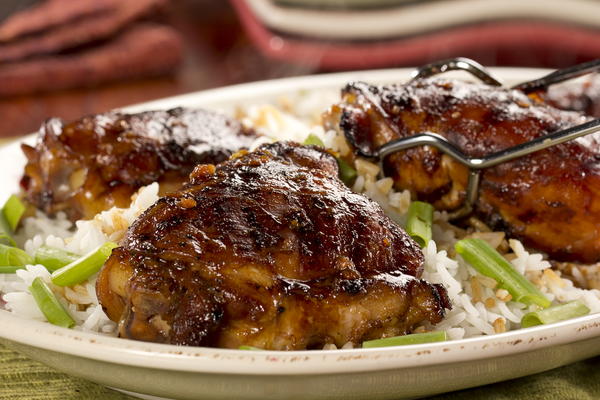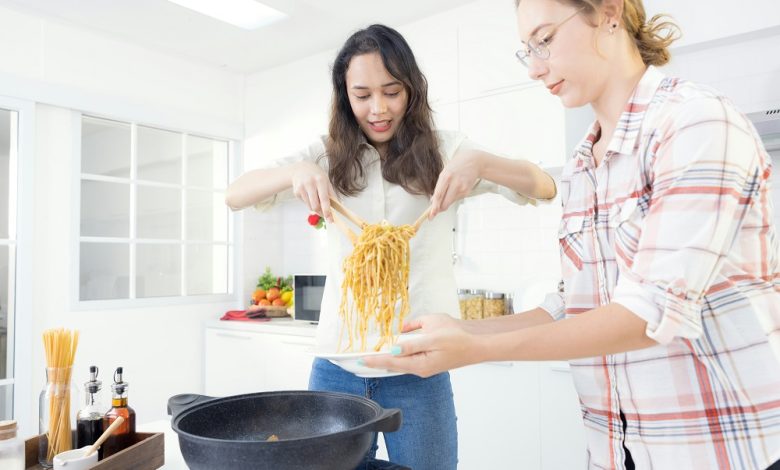
Cooking like a professional chef does not always require commercial equipment or formal culinary training. Many techniques used in professional kitchens can be adapted easily for home environments. By applying structured preparation methods, improving timing, and focusing on ingredient quality, home cooks can significantly enhance both flavor and presentation.
The following practical cooking strategies are widely used by chefs and can be incorporated into everyday home cooking routines.
Start with Proper Ingredient Preparation
Professional kitchens emphasize preparation before cooking begins. This approach improves efficiency and prevents mistakes during the cooking process.
Useful preparation habits include:
- Washing and cutting vegetables before turning on the stove
- Measuring spices and ingredients in advance
- Organizing cooking tools within reach
- Preparing garnishes ahead of time
This preparation method helps maintain focus while cooking multiple dishes.
Use High Quality Ingredients Whenever Possible
Professional chefs rely heavily on ingredient quality rather than complicated techniques. Fresh ingredients naturally improve taste and texture.
Focus on selecting:
- Seasonal vegetables and fruits
- Fresh herbs instead of dried alternatives when available
- High quality cooking oils
- Freshly ground spices for stronger flavor
Better ingredients often reduce the need for excessive seasoning.
Control Heat Instead of Cooking Faster
Many home cooks use high heat throughout the cooking process, which can affect texture and flavor. Professional chefs adjust temperature levels carefully depending on the dish.
Effective heat control includes:
- Using medium heat for gradual flavor development
- Increasing heat only when searing is required
- Lowering heat during simmering stages
- Avoiding overcrowding the pan to maintain consistent temperature
Proper heat management improves cooking consistency.
Master the Technique of Seasoning in Stages
Professional kitchens rarely season food only at the end. Instead, seasoning is added gradually throughout the cooking process.
This approach helps:
- Build deeper flavor layers
- Balance taste evenly across ingredients
- Reduce the need for excessive salt later
- Improve overall dish structure
Stage based seasoning creates more refined results.
Keep Knives Sharp and Use Correct Cutting Techniques
Sharp knives improve both safety and efficiency in home kitchens. Professional chefs rely on precise cutting to ensure even cooking.
Important practices include:
- Using a stable cutting board
- Maintaining uniform ingredient sizes
- Sharpening knives regularly
- Learning simple slicing and chopping methods
Consistent cutting ensures ingredients cook evenly.
Avoid Overcrowding the Cooking Surface
Crowding a pan traps moisture and prevents proper browning. Professional chefs cook in batches when necessary to maintain texture quality.
Benefits of cooking in smaller batches include:
- Better caramelization of ingredients
- Improved flavor concentration
- Even cooking across all pieces
- Reduced steaming effect inside the pan
This technique enhances both taste and appearance.
Taste Food Frequently During Cooking
Professional cooks adjust seasoning continuously throughout preparation. Regular tasting helps detect balance issues early.
Frequent tasting allows you to:
- Adjust salt levels gradually
- Balance acidity and sweetness
- Prevent over seasoning
- Improve final dish quality
This habit strengthens cooking confidence over time.
Use Simple Plating Techniques for Better Presentation
Presentation plays an important role in professional kitchens. Even simple home meals can look more appealing with basic plating adjustments.
Easy presentation improvements include:
- Using clean serving plates
- Avoiding overcrowding on the plate
- Adding fresh herb garnishes
- Arranging food neatly instead of stacking randomly
Thoughtful plating enhances the dining experience.
Maintain Kitchen Organization While Cooking
Professional kitchens follow structured workflows to maintain efficiency. A clean workspace supports faster cooking and reduces mistakes.
Helpful organization practices include:
- Cleaning surfaces between preparation steps
- Returning tools to their place after use
- Disposing of waste promptly
- Keeping ingredients grouped by recipe stage
An organized kitchen improves overall cooking performance.
Understand the Importance of Resting Time After Cooking
Many professional dishes require resting time before serving. This allows juices to redistribute and flavors to settle properly.
Resting time is useful for:
- Grilled meats
- Roasted vegetables
- Baked dishes
- Rice based preparations
Allowing short resting periods improves texture and flavor balance.
Frequently Asked Questions
1. Can professional cooking techniques be used without special kitchen equipment
Yes, most professional techniques depend more on method and timing than on specialized tools.
2. How long does it take to improve cooking skills using chef style methods
With regular practice, noticeable improvement can be observed within a few weeks.
3. Is it necessary to follow recipes exactly when applying professional cooking methods
Recipes provide guidance, but professional cooking encourages gradual adjustments based on taste and ingredient availability.
4. Do professional chefs always prepare ingredients before cooking begins
Ingredient preparation before cooking is a common practice because it improves speed and accuracy during the cooking process.
5. Can presentation really influence how food tastes
While presentation does not change flavor directly, it improves the overall dining experience and perception of quality.
6. What is the most important habit to learn from professional kitchens
Consistent organization and preparation are among the most valuable habits for improving home cooking results.
7. Is it possible to cook multiple dishes efficiently at home like in restaurants
With planning and preparation, home cooks can manage multiple dishes more efficiently using structured cooking sequences.