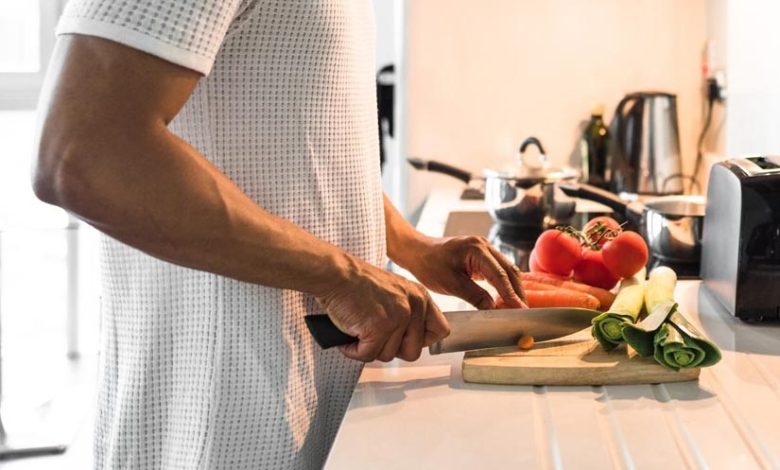
Cooking becomes easier, faster, and more enjoyable when small but important mistakes are avoided early. Many everyday kitchen problems such as overcooked food, bland flavor, or uneven texture happen because of simple oversights rather than lack of skill. The practical tips below help build confidence, improve consistency, and prevent frustration while preparing meals at home.
Read the Recipe Before You Start
One of the most common mistakes in cooking is starting without understanding the full process. Reading the recipe from beginning to end helps prevent surprises during preparation.
Important advantages of reading ahead include:
- Understanding cooking time and preparation steps
- Checking whether ingredients need soaking or thawing
- Confirming required tools and equipment
- Avoiding rushed adjustments halfway through cooking
Preparation improves both efficiency and final taste.
Measure Ingredients Accurately
Many dishes fail because ingredient quantities are guessed instead of measured. Baking especially requires precision, but even savory cooking benefits from balanced proportions.
Helpful measuring habits include:
- Use measuring cups and spoons instead of estimating
- Level dry ingredients instead of packing them tightly
- Measure liquids at eye level
- Taste gradually when seasoning
Accurate measurements produce consistent results every time.
Preheat Your Cooking Equipment
Skipping preheating changes cooking time and texture. Whether using an oven or a pan, proper temperature ensures food cooks evenly from the start.
Preheating helps:
- Create proper browning on meats and vegetables
- Prevent soggy baked goods
- Maintain correct cooking timing
- Improve texture and flavor development
Allow equipment to reach the correct temperature before adding ingredients.
Avoid Overcrowding the Pan
Placing too much food in one pan lowers temperature and traps moisture. Instead of browning properly, food begins to steam.
To prevent this mistake:
- Cook in smaller batches when necessary
- Leave space between ingredients
- Use larger pans when preparing bigger portions
Proper spacing improves color, flavor, and texture.
Taste as You Cook
Seasoning should be adjusted gradually rather than added all at once. Tasting during cooking helps maintain balance.
Benefits of tasting frequently include:
- Preventing oversalted dishes
- Adjusting acidity or sweetness
- Improving flavor depth step by step
- Catching mistakes early
Developing this habit leads to more confident cooking decisions.
Use Sharp Knives for Safer Preparation
A dull knife requires extra force and increases the risk of slipping. Surprisingly, sharp knives are safer and more efficient.
Advantages of sharp knives include:
- Cleaner ingredient cuts
- Faster preparation time
- Reduced strain on hands
- Lower risk of accidents
Regular sharpening keeps tools reliable and safe.
Control Heat Instead of Cooking Everything on High
High heat is not suitable for every recipe. Many beginners assume faster heat means faster results, but it often causes burning before food cooks fully inside.
Better heat control involves:
- Using medium heat for gradual cooking
- Lowering temperature for sauces and simmering
- Increasing heat only when browning is required
Temperature control improves texture and prevents uneven cooking.
Let Food Rest After Cooking
Resting allows juices to redistribute inside cooked food. Cutting immediately can cause dryness and loss of flavor.
Resting benefits include:
- Juicier meat and poultry
- Better texture in baked goods
- Improved flavor retention
- Easier slicing
Even a short resting period makes a noticeable difference.
Keep Your Workspace Organized
An organized kitchen reduces stress and mistakes during cooking. Searching for tools mid process interrupts timing and concentration.
Simple organization tips include:
- Arrange ingredients before cooking begins
- Keep frequently used tools nearby
- Clean as you cook
- Use separate boards for vegetables and proteins
Clean preparation leads to smoother cooking.
Avoid Skipping Ingredient Preparation Steps
Preparation instructions such as chopping size or soaking time affect cooking results significantly.
For example:
- Large pieces cook slower than small ones
- Skipping soaking affects texture in grains and legumes
- Incorrect slicing changes flavor absorption
Following preparation instructions improves consistency and presentation.
FAQ Section
Why does food sometimes cook unevenly in a pan
Uneven cooking usually happens when the pan is overcrowded or not preheated properly. Maintaining space between ingredients helps distribute heat evenly.
How can I prevent vegetables from becoming too soft
Cook vegetables for shorter durations and avoid covering the pan unless necessary. Stirring occasionally also preserves firmness.
Why do recipes recommend room temperature ingredients
Room temperature ingredients mix more evenly and create smoother textures, especially in baking and sauces.
What is the safest way to season food without oversalting
Add seasoning gradually and taste repeatedly during cooking rather than adding large amounts at once.
How do I know when oil is ready for cooking
Oil is ready when it shimmers slightly and spreads easily across the pan surface without smoking.
Why should ingredients be cut into similar sizes
Uniform cutting ensures all pieces cook at the same rate, preventing some from burning while others remain undercooked.
How can I improve cooking confidence as a beginner
Start with simple recipes, prepare ingredients ahead of time, and practice repeating dishes to build familiarity with techniques and timing.