Fresh ginger is a staple ingredient in many Southeast Asian dishes, renowned for its vibrant flavor and aromatic properties. When sourcing ginger, especially in a region known for its rich agricultural yields like Thailand, it’s essential to recognize the cues that signify freshness. Whether you’re a chef, home cook, or purchasing from a Thai ginger supplier, understanding these signs can drastically enhance the quality of your meals.
Appearance of Fresh Ginger
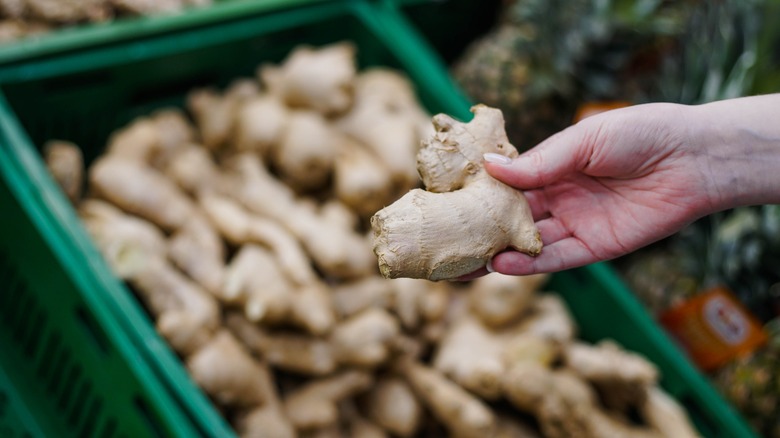
Fresh ginger has a distinct, clean appearance that signals it is at its peak. The skin should be thin, smooth, and light beige or tan, requiring minimal effort to scrape away. Older ginger, often wrinkled or with dry patches, tends to lack the same depth of flavor and aroma. Another key detail to note is the flesh inside – fresh ginger will have a pale yellow or slightly golden hue, and it should feel firm when pressed.
Look out for any sprouting or mold, as these are clear indications that the ginger is no longer fresh. Thai ginger, commonly referred to as galangal in local dishes, often has a brighter and less fibrous texture compared to other varieties, which adds to its versatility in soups, curries, and marinades.
The Smell Test for Ginger
An equally important factor to consider when judging ginger is its aroma. Fresh ginger emits a warm, slightly peppery scent with hints of sweetness. This fragrance is an excellent indicator of its quality. If you notice the smell is faint or altogether absent, the ginger has likely aged past its prime.
Thai ginger, in particular, brings a more subtle citrus note compared to standard varieties. This unique aroma contributes immensely to iconic Thai dishes like Tom Yum and gaeng keow wan (green curry). For the best outcomes, purchase ginger from a trusted Thai ginger supplier to ensure its freshness and flavor profile align with your culinary needs.
Storing Ginger Correctly
To retain its freshness, ginger should be stored appropriately. Keeping it in a cool, dry place – away from excessive moisture – will extend its shelf life. If you want to use it over a longer period, refrigeration is also an option. Seal ginger in an airtight bag or container to prevent it from drying out or absorbing other odors in the fridge. Grating or slicing it into smaller pieces and freezing it can also preserve its freshness for weeks.
Why Freshness Matters
The quality of ginger not only affects its taste but also its nutritional properties. Fresh ginger is rich in antioxidants and compounds like gingerol, which have benefits ranging from reducing inflammation to aiding digestion. Older ginger, as it degrades, loses many of these valuable nutrients and delivers a less potent flavor.
When sourcing fresh ginger, rely on your senses to guide you. Its smooth appearance, firm texture, and distinctive aroma all signal its suitability for cooking. For those using ginger as a key ingredient in Thai cuisine, paying close attention to these details will elevate your recipes and ensure an authentic experience. Whether you’re shopping in local Thai markets or via a Thai ginger supplier, recognizing the traits of quality ginger will always lead to better results in the kitchen. Authentically fresh ginger enhances not just your meals but also your appreciation of its diverse culinary potential.