Japanese cuisine is a blend of ancient traditions and modern innovations. It’s a culinary style that is loved by many and has maintained its core values while adapting to new influences over time. At its heart, Japanese cooking values simplicity and the natural taste of its ingredients. Classic dishes like sushi, tempura, and miso soup show this philosophy. Each of these dishes is crafted using techniques passed down over centuries, showcasing a deep respect for the culture and the skill involved in their preparation.
The love of food is only growing and people from all over the world are becoming more adventurous with what they eat and there is a growing trend of integrating traditional Japanese techniques with modern twist. This evolution can be seen in cities around the world, including Bangkok. Here, the dining scene offers a great backdrop for this fusion. For instance, at a wine bar Sukhumvit, diners might experience traditional Japanese dishes that have been elevated with contemporary twists. Chefs in these establishments are pushing boundaries by experimenting with new ingredients and cooking methods which create a and experience that is both familiar and novel.
One of the most notable changes in modern Japanese cuisine is the emphasis on presentation. While traditional Japanese dishes have always been visually appealing, modern chefs are taking it to another level. They focus on using fresh, colorful ingredients to create dishes that are a feast for the eyes as well as the palate. This attention to detail in presentation encourages diners to appreciate their food aesthetically before they even take a bite, enhancing the overall dining experience.
Technology also plays a significant role in the evolution of Japanese cuisine. With advanced kitchen equipment compared to the origins of traditional Japanese food, chefs are now able to achieve levels of precision in cooking that were once thought impossible (or very rare). This equipment allows for the refinement of traditional techniques and the exploration of new methods. The result is a harmonious blend of old and new, where the integrity of traditional Japanese cooking is preserved while embracing the benefits of modern advancements.
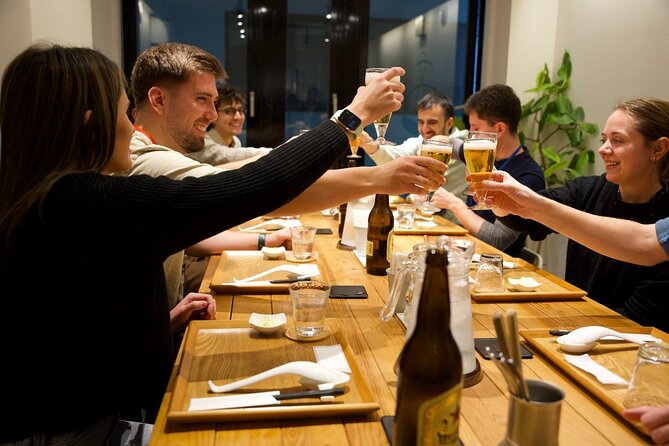
The fusion of tradition and modernity isn’t just about the food but also about the dining experience as a whole. Contemporary Japanese dining often incorporates elements from various cultures, creating an atmosphere that can be further enhanced with features like wine pairing. This cultural exchange is evident in the diverse range of flavors and textures found in modern Japanese dishes. It reflects a willingness to adapt and evolve, ensuring that Japanese cuisine remains relevant and exciting in an ever-changing world.
As Japanese food often involves simple ingredients, the adaptability of it is what makes it so intriguing. It is a tradition that respects its roots but at the same time welcoming new influences. This flexibility allows for endless possibilities in the kitchen, inspiring chefs to continuously innovate and create.