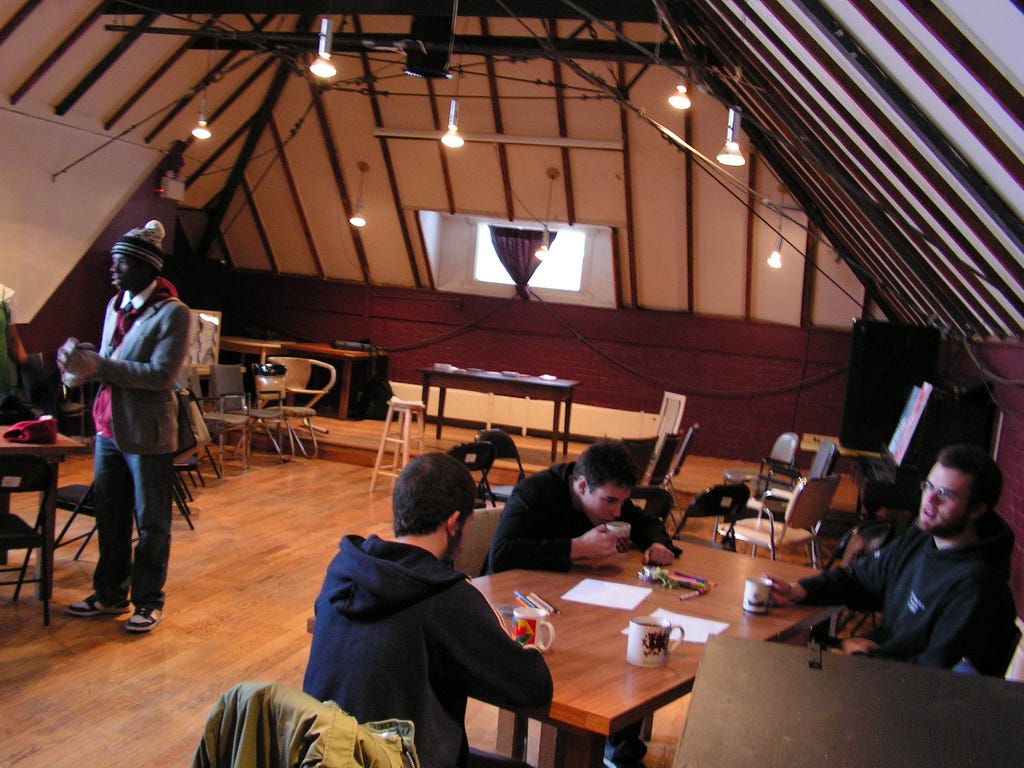
Community hubs bring people together so they can hang and have social interactions in shared spaces. These hubs offer a chance for locals to meet, talk, and develop a sense of belonging, which is very important in today’s world where people often spend more time in their phones. Whether it’s a shared garden, a cultural event, or a casual coffee spot, these places encourage people to spend time outside their homes, building relationships face-to-face. A great example of this would be a shopping space Phuket, which mixes shopping with opportunities to connect with others in a relaxed setting.
Supporting Local Businesses
Community hubs provide a platform for small businesses to operate and grow. Markets, small stores, and family-run cafes benefit greatly by being part of such spaces. For example, in Thailand, many hubs focus on local artisans, allowing them to showcase traditional crafts and goods. These businesses, in turn, boost the local economy and create job opportunities.
Spaces for Family Activities
Community hubs are great for offering activities that cater to every family member. Parks, playgrounds, and even classes, such as yoga or art sessions, provide options for relaxation and creativity. Thailand’s community hubs often blend modern amenities with cultural elements, ensuring families can enjoy themselves in their surroundings.
Preserving Cultural
Thailand is renowned for its culture, and community hubs often highlight unique elements of local culture. Architecture inspired by Thailand’s history, art pieces reflecting regional traditions, or performances by local dancers and musicians help preserve and share cultural stories. This connection deepens residents’ and visitors’ appreciation for the area’s legacy.
Public Well-Being
Spaces where people can relax or engage in peaceful activities significantly improve mental and physical well-being. Whether it’s a shaded bench under trees or a bustling community event, these hubs bring a sense of balance to urban life. Many of Thailand’s hubs offer settings where people can enjoy natural environments alongside modern conveniences.
Facilitating Education and Workshops
Community hubs often provide spaces for informal learning, such as workshops and educational events. This might include Thai cooking classes, craft-making sessions, or environmental awareness programs. These activities not only entertain but also impart valuable knowledge, strengthening personal and collective growth.
Environmental Focus
Green spaces and environmentally conscious designs at community hubs are becoming more common. Many hubs in Thailand emphasize sustainability by using recycled materials, hosting eco-markets, or providing green areas. These practices make hubs more attractive and environmentally friendly. They also inspire visitors to think about their own impact on the world around them.
Inclusive Spaces
Inclusive community hubs cater to people across different generations and interests. Accessible designs and diverse offerings ensure no one is left out, whether it’s seniors, children, or people with special needs. This inclusivity encourages harmony and acceptance, which strengthens bonds between residents.